Nielsen Says India, With Bengaluru As Hub, Now Drives Its Global Innovation
BENGALURU-US-based media analytics firm Nielsen is positioning India as its primary global innovation engine, with more than 5,000 employees in the country – roughly half its worldwide workforce – and Bengaluru serving as its largest hub, according to a report.
A report by Daily Sun, citing Moneycontrol, said around 75 per cent of Nielsen’s global innovation now comes from India, where the company has deployed artificial intelligence (AI) to automate advertising intelligence.
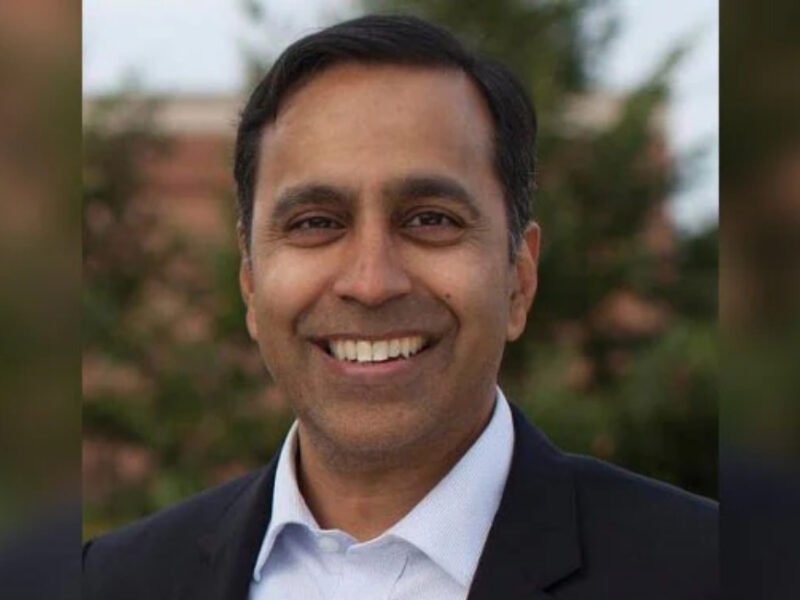
Nielsen Chief Technology Officer Anil Goel said AI helps automate the tracking of brand visibility in sports and measure audiences across an increasingly fragmented media landscape. The company aims to make India its “global innovation center” rather than operate it as a conventional global capability center (GCC).
“Unlike traditional GCCs where India-based teams work under overseas counterparts, Nielsen’s local teams lead products, make decisions and work directly with global clients,” the report said, citing Goel.
Although some other markets generate more revenue, Goel said India’s rapid growth makes it one of Nielsen’s top 10 markets in terms of growth potential.
Nielsen expects to expand its presence in India further following the addition of DoubleVerify, which specializes in advertising verification and brand safety. Goel also highlighted the country’s technology-heavy workforce as a factor creating more opportunities for the company to base innovation in India.
AI has made a significant impact on Nielsen’s advertising intelligence business, which tracks advertising expenditure across television, radio, newspapers, magazines and outdoor media in 30-40 major markets, including India and the US, the report said.
The company previously relied on a combination of automation and manual work to process information, with more than 1,000 employees handling gaps that technology could not resolve, according to the report. AI and large language models have increased the share of work handled by machines in these areas from 80-90 per cent to 97-98 per cent, Goel said.
The growing use of ChatGPT, Gemini and Claude, along with AI agents that help consumers make decisions, is creating new challenges for traditional methods of measuring media consumption, the report said. (IANS)