Bhattacharya Narrates Personal Struggles, Urges Academics To Fight Political Pressure
Photo: USC Sol Price School of Public Policy
India-West News Desk
LOS ANGELES, CA – Speaking to a crowded hall at the University of Southern California here, National Institutes of Health Director Jay Bhattacharya detailed the severe personal consequences he faced for challenging the medical establishment during the COVID-19 pandemic. Bhattacharya described a period of intense isolation, claiming that his opposition to lockdowns and mask mandates led him to believe his academic career was effectively over.
The physical and mental toll of this period was significant; Bhattacharya noted that the stress left him unable to eat or sleep, resulting in a 30-pound weight loss. He framed his decision to continue speaking publicly as a necessary sacrifice to ensure that policy debates remained grounded in data rather than political pressure.
His appearance at the USC Open Dialogue Project on April 9 served as a broader “pitch for freedom” at a critical juncture for American civil discourse. While the Trump administration has been characterized by critics as conducting a sustained attack on institutional norms and intellectual independence, Bhattacharya argued that the true threat to academic freedom often comes from within. He urged universities to reclaim their roles as sanctuaries for open debate and intellectual diversity, regardless of the political climate in Washington.
“I don’t see any way through but to be brave,” Bhattacharya told the audience at Wallis Annenberg Hall, USC Today reported. “You have to allow conversations to happen that people don’t want to have happen.”
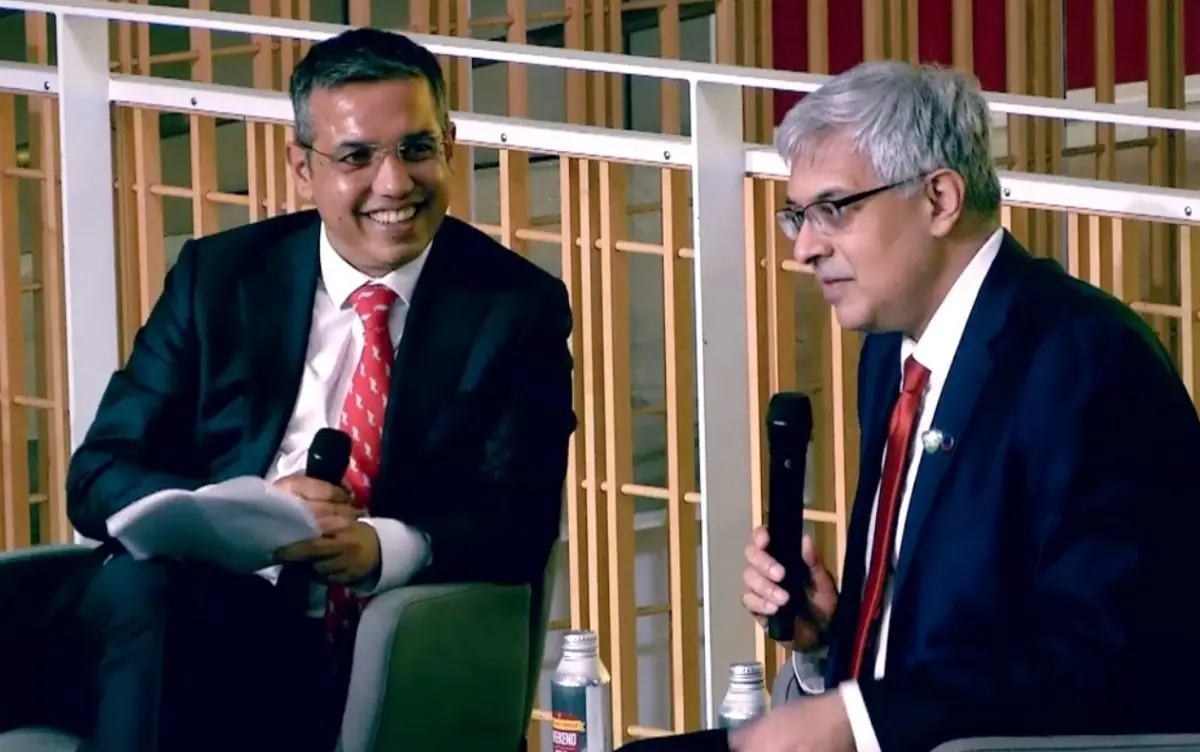
In conversation with Neeraj Sood, director of the Open Dialogue Project, Bhattacharya suggested that the health of academic discourse depends on a culture that tolerates disagreement. He pointed to a “small number of very, very intolerant faculty” who he believes have created an environment where scholars fear being ostracized for representing ideas that are unpopular with their colleagues.
The event, introduced by USC Provost Andrew T. Guzman, was part of an initiative launched by USC President Beong-Soo Kim to promote civil discourse.