Trump Admin Hits India With Preliminary Solar Antidumping Duties
India-West News Desk
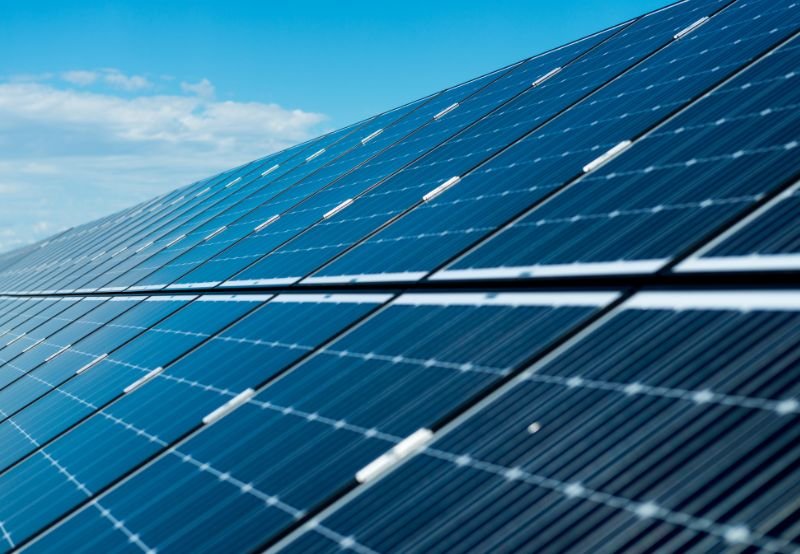
WASHINGTON, DC – The Trump administration’s Commerce Department on April 23, announced preliminary antidumping duties on solar cells and panels imported from India, Indonesia, and Laos, siding with American manufacturers who argue that foreign producers are flooding the market with artificially low-priced goods. According to a Reuters report, the decision marks the latest chapter in a decade-long series of tariffs targeting solar imports from Asia.
The move carries significant implications for the renewable energy sector. India, Indonesia, and Laos collectively supplied about $4.5 billion worth of solar equipment to the United States last year, accounting for roughly two-thirds of total imports. The new duties are expected to disrupt those flows, potentially increasing costs for developers even as demand for solar power continues to surge nationwide.
The Alliance for American Solar Manufacturing and Trade, a coalition that includes major industry players such as First Solar and Qcells, said the findings confirm that foreign producers have been undercutting U.S. companies at a critical moment for domestic expansion. The group has previously succeeded in securing tariffs on imports from other Southeast Asian countries, including Malaysia, Vietnam, Thailand, and Cambodia.
Environmental analysts note that the ruling highlights a growing tension within U.S. climate policy: balancing the urgency of expanding renewable energy capacity with efforts to build a self-reliant manufacturing base. While tariffs may encourage investment in American factories, they could also slow deployment in the short term by raising equipment prices.
The Commerce Department is expected to issue final determinations in the coming months, with decisions on imports from India and Indonesia anticipated around July 13 and a separate ruling on Laos expected by September 9. As Reuters reported, the agency had already introduced preliminary countervailing duties on the same countries earlier this year, further tightening trade restrictions on foreign solar producers.