From Punjab To The United Nations: The Story Behind International Widows Day
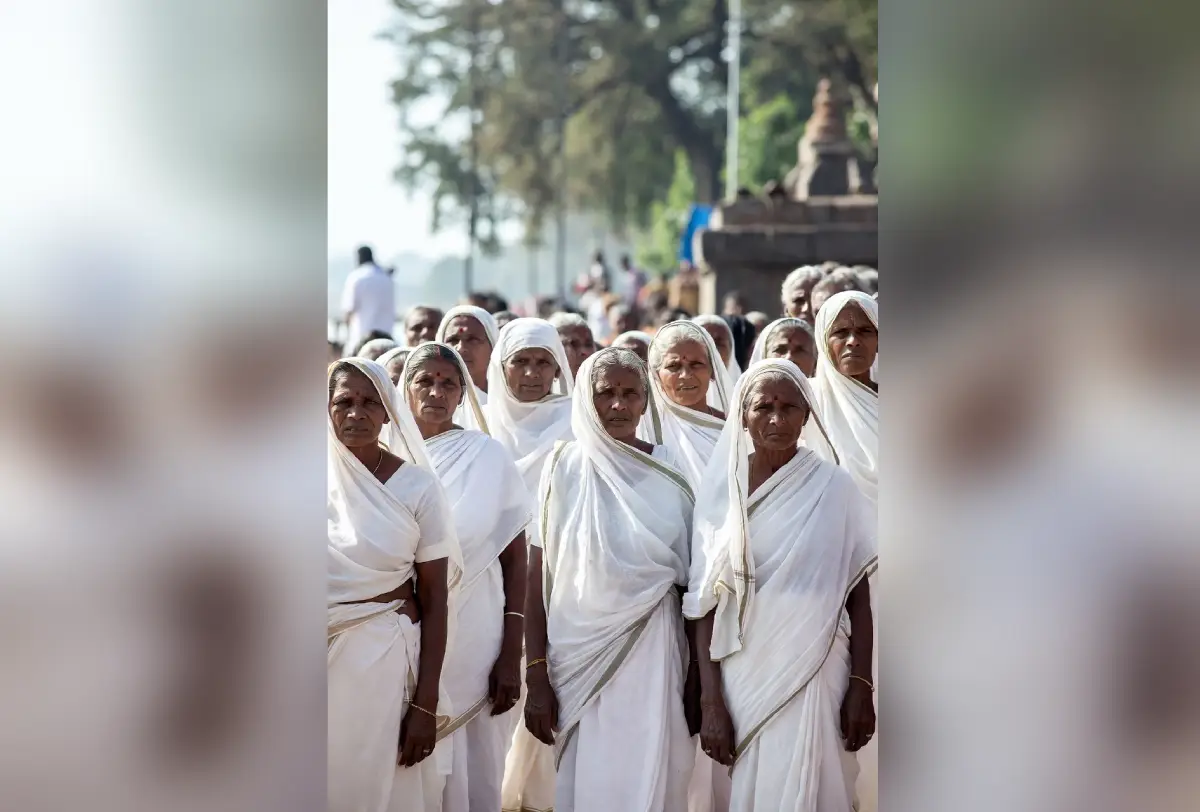
NEW DELHI- Every year on June 23, the world observes International Widows Day, a United Nations-recognized observance that highlights the challenges faced by millions of widows worldwide. Today, there are an estimated 300 million widows and more than 500 million children dependent on them, underscoring the social and economic impact of widowhood across continents.
The movement traces back to the personal experience of Shrimati Pushpa Wati Loomba, who became a widow on June 23, 1954. Her son, Lord Raj Loomba CBE, later founded the Loomba Foundation in her memory and dedicated himself to raising awareness about the challenges faced by widows around the world.
In 2005, the Loomba Foundation launched International Widows Day on June 23, deliberately choosing the anniversary of Pushpa Wati Loomba’s widowhood. The date symbolized both personal loss and the lifelong challenges experienced by millions of widows.
Over the next five years, the Foundation mobilized international support through research, advocacy, and events in more than 40 countries, bringing global attention to widowhood as a development and human rights issue.
Those efforts culminated on December 21, 2010, when the United Nations General Assembly unanimously adopted June 23 as International Widows Day. India played a significant role in supporting the resolution and highlighting the need to address the challenges faced by widows worldwide.
The UN’s recognition brought international attention to widowhood as a development and human rights issue. It underscored the importance of empowering widows as part of broader efforts to advance gender equality, reduce poverty, and strengthen families and communities.
The need for that attention remains urgent. Many widows continue to face economic hardship, social stigma, property dispossession, exploitation, and exclusion from community life.
In India, widows in some communities continue to face discrimination, including exclusion from family rituals and denial of inheritance rights. In parts of Africa, widows may face degrading “cleansing” rituals or pressure to marry a male relative.
Until the early 2000s, widowhood received little attention in international development discussions, with no dedicated global policies, conventions, or comprehensive statistics focused on widows.
More than 15 years after the UN’s adoption of International Widows Day, widowhood remains linked to global challenges including conflict, displacement, disease, and poverty. Millions of widows have been created by conflicts in Syria, Ukraine, Sudan, and Afghanistan, while HIV/AIDS, pandemics, and natural disasters continue to leave many women vulnerable.
The United Nations has repeatedly emphasized the need to include widows in policies related to healthcare, education, social protection, and economic empowerment to prevent widows and their children from falling into intergenerational poverty.
This year, the Loomba Foundation will mark the 16th UN International Widows Day with events in both India and the United Kingdom.
A gathering at the British Council in New Delhi on June 23, 2026, will bring together policymakers, non-governmental organizations, philanthropists, and community leaders to discuss economic empowerment, skills training, and social reintegration for widows in India.
On the same day, a parallel conference at the House of Lords in London will focus on widows in Africa under the theme, “Widows in Africa: Perspectives on Justice, Dignity, and Economic Power.”
The events reflect the global nature of widowhood and the continuing effort to ensure widows are no longer overlooked. More than a decade after the United Nations established International Widows Day, the message remains unchanged: widows must not remain invisible. Their rights are human rights, and their empowerment strengthens families, communities, and nations. (IANS)
Stay updated with the top news stories from India and around the world. Get the latest breaking news, in-depth analysis, and real-time updates on politics, business, technology, sports, entertainment, and more. Follow our coverage to stay informed about the most important events and trending developments shaping the nation and beyond.