India Could Be Getting Closer To Nuclear Self-Reliance
NEW DELHI- India may be closer than ever to achieving long-term nuclear self-reliance following a key milestone in its three-stage nuclear program.
The report described the development as a potential turning point in India’s decades-old strategy to overcome fuel constraints and build a sustainable nuclear energy base.
According to the article in Vietnam Times, India has long faced a fundamental challenge: “India didn’t have much uranium, the fuel most nuclear reactors run on.” It said the country remains dependent on imported uranium, including through major agreements with countries such as Canada.
India possesses vast thorium reserves, estimated at around 25 per cent of the global total, offering a long-term opportunity for domestic nuclear fuel security. It cannot be directly used as fuel and must first be converted, prompting India to adopt a long-term strategy. “Instead of chasing speed, (Indian nuclear scientist Dr Homi J.) Bhabha chose something far more ambitious: a system that could turn this resource scarcity into self-reliance, even if it took decades to get there.”
That vision led to India’s three-stage nuclear program, beginning with uranium, transitioning to plutonium, and eventually unlocking thorium-based fuel use.
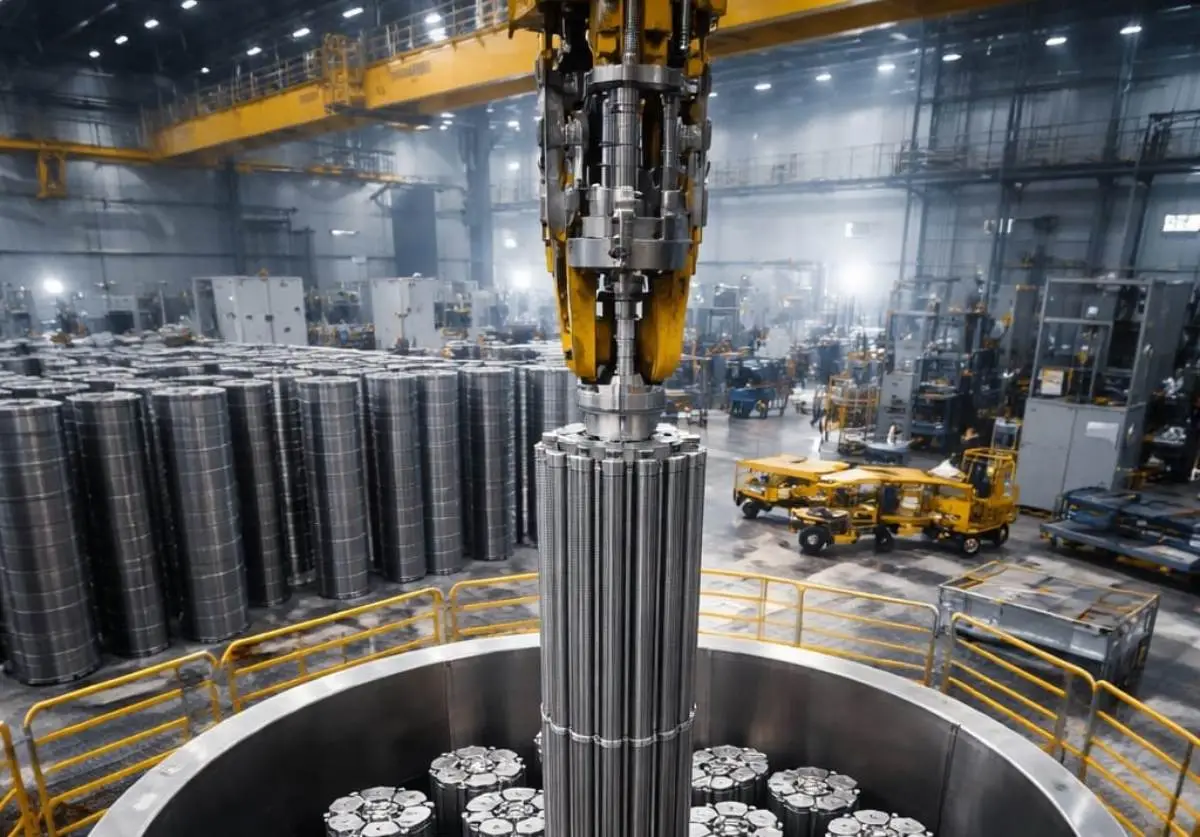
A major step in that strategy was achieved on April 6, when India’s Prototype Fast Breeder Reactor at Kalpakkam in Tamil Nadu achieved criticality for the first time.
While fast breeder reactors exist in other countries, several such programs have faced setbacks. By achieving criticality, India has demonstrated its ability to operate a reactor using plutonium-based fuel, bringing the country closer to expanding its nuclear fuel base.
Despite the milestone, challenges remain. Nuclear energy currently contributes just over 3 per cent of India’s electricity generation, and large-scale expansion will take time.
However, if the program succeeds, it could significantly reduce India’s dependence on imported uranium. (IANS)