Trump Unveils $17.5B Plan For America’s Nuclear Comeback
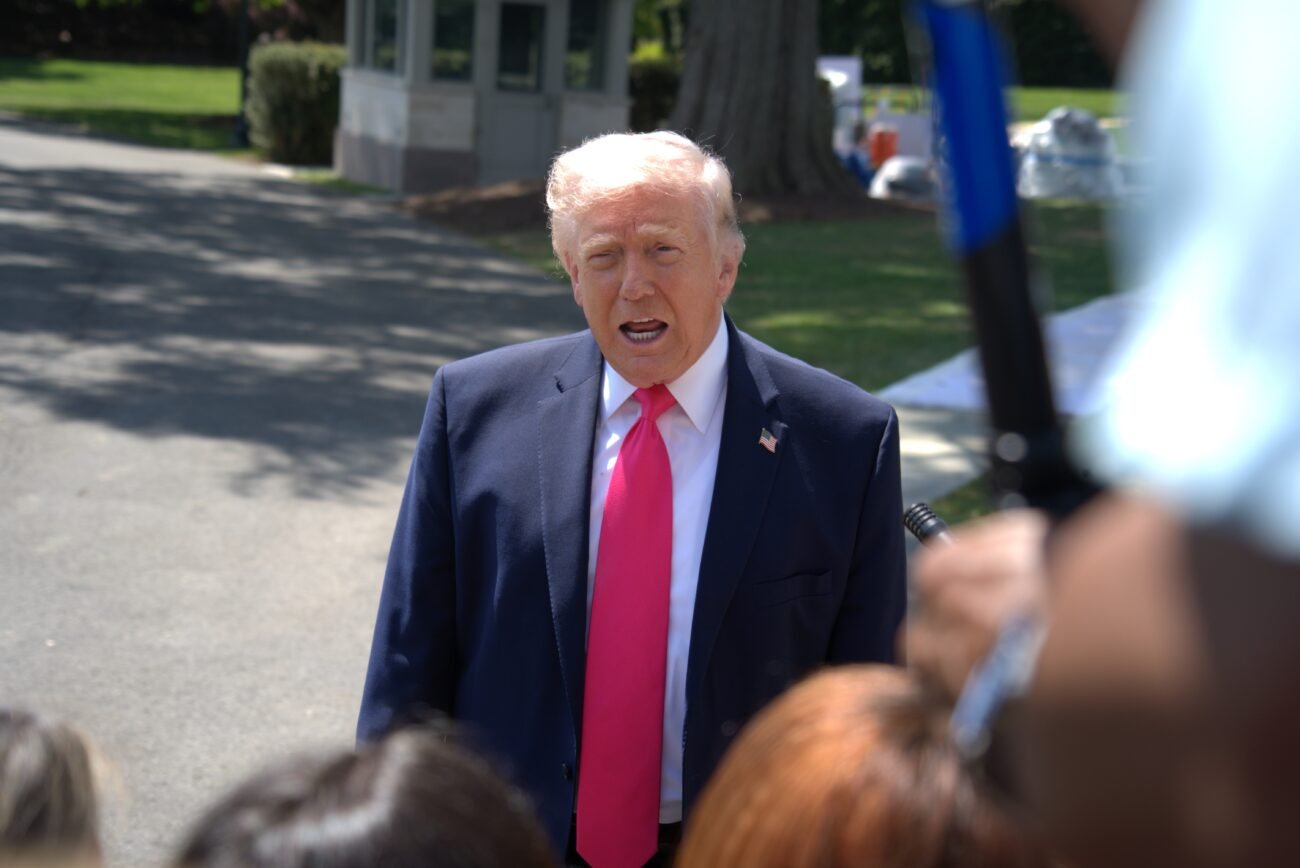
WASHINGTON, D.C.-The Donald Trump administration on June 23 unveiled a USD 17.5 billion financing programme aimed at rebuilding the US nuclear supply chain and accelerating the construction of 10 new large-scale nuclear reactors, marking one of the most ambitious efforts in decades to revive America’s commercial nuclear industry.
The US Department of Energy (DOE) announced a conditional loan commitment to support the procurement of long-lead components needed for 10 new reactors based on Westinghouse’s AP1000 design.
The financing programme is intended to support up to five projects, with each project involving two reactors. Together, the 10 reactors would generate more than 11 gigawatts of electricity, enough to power nearly 10 million American homes.
US Energy Secretary Chris Wright said the initiative was part of President Donald Trump’s push to expand domestic energy production and revive the country’s nuclear sector.
“Just over one year ago, President Trump directed the Energy Department and its agency partners to unleash the next American nuclear renaissance,” Wright said.
“To accomplish that mission, these conditional loans will play an important role in reviving the supply chain needed for America to once again build large-scale commercial reactors. They will also help accelerate the timeline of building those large-scale reactors by up to three years, lowering construction costs and ensuring the United States is able to deliver on President Trump’s bold and ambitious energy addition agenda,” he said.
The loans are not intended to fund reactor construction directly. Instead, they will finance the purchase of critical long-lead items such as reactor pressure vessels, steam generators and structural modules that often take years to manufacture.
Greg Beard, head of the Department of Energy’s Energy Dominance Financing office, said the programme was designed to reduce costs through standardization and repeat construction.
“Why 10 reactors? The way to drive down cost in nuclear is to standardize and repeat build the same design,” Beard said.
According to Beard, more than 100 companies across over 40 states are expected to benefit from the supply-chain expansion.
The programme requires significant private-sector participation from Westinghouse and utility or energy-company partners before DOE financing becomes available.
Beard said rising electricity demand from artificial intelligence infrastructure was strengthening the case for new nuclear generation capacity.
“The world-changing growth of AI is driving enormous demand for electricity by companies who are willing to pay more for that power,” he said.
Wright said long-term power purchase agreements from technology companies could help support project economics without increasing consumer electricity rates.
“We think this will be the start,” he said. “Do we think there’ll be dozens of these built going forward? I’d be very surprised if there were not.”
The announcement comes as the Trump administration pursues a broader strategy to expand domestic energy production and strengthen US manufacturing. Nuclear energy currently provides about one-fifth of US electricity and remains the country’s largest source of carbon-free power generation.
Westinghouse’s AP1000 reactors are already operating at the Vogtle nuclear plant in Georgia, where Units 3 and 4 entered service after years of delays and cost overruns. Administration officials said lessons from those projects, combined with a standardized design and a rebuilt supply chain, should help reduce costs and improve construction timelines for future reactors. (IANS)