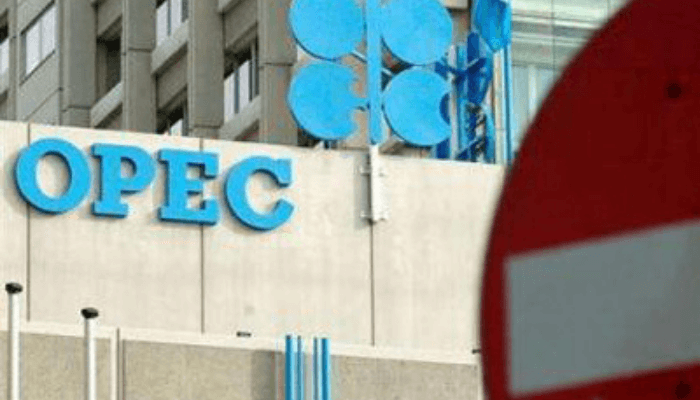
UAE Exits OPEC In Major Blow To Saudi, Oil Alliance
NEW DELHI-The United Arab Emirates announced on April 28 that it was leaving the OPEC and OPEC+ groups in what is being seen as a major setback to the alliance of oil-exporting countries led by Saudi Arabia.
The UAE said the decision reflected its “long-term strategic and economic vision and evolving energy profile.”
UAE Energy Minister Suhail Al Mazrouei said that becoming a country with no obligation under the groups would provide more flexibility.
The UAE’s exit is expected to weaken the oil alliance at a time when Gulf countries have taken a major hit to exports due to the closure of the Strait of Hormuz by Iran. The UAE accounts for around 15 per cent of OPEC oil exports.
Analysts see the UAE’s exit from OPEC as a gain for President Donald Trump, who has repeatedly criticized the group for inflating oil prices at the cost of other countries. Trump has accused the alliance of “ripping off the rest of the world” by driving up oil prices.
According to the latest OPEC data, the UAE produces 2.9 million barrels of oil a year. Saudi Arabia, the de facto leader of OPEC, produces 9 million barrels of oil.
OPEC was formed in 1960 by Iran, Iraq, Kuwait, Saudi Arabia and Venezuela with the aim of coordinating production to ensure prices do not fall below desired levels, leading to higher revenues for members.
The number of countries in the group has fluctuated over the years, but in addition to the five founding members, it also includes Algeria, Equatorial Guinea, Gabon, Libya, Nigeria and the Republic of the Congo.
Following the UAE’s exit from the group effective May 1, OPEC will continue with 11 active members. Other members that have left in the last decade are Qatar, Angola, Ecuador and Indonesia.
OPEC+ includes other oil-producing nations such as Azerbaijan, Bahrain, Brunei, Brazil, Kazakhstan, Malaysia, Mexico, Oman, Russia, South Sudan and Sudan. (IANS)