8 Indian Americans On Time Magazine’s 100 AI 2026
India-West News Desk
NEW YORK, NY -Eight Indian Americans working across technology, scientific research, health care, AI policy and the future of work have been named to Time magazine’s 2026 TIME100 AI list.
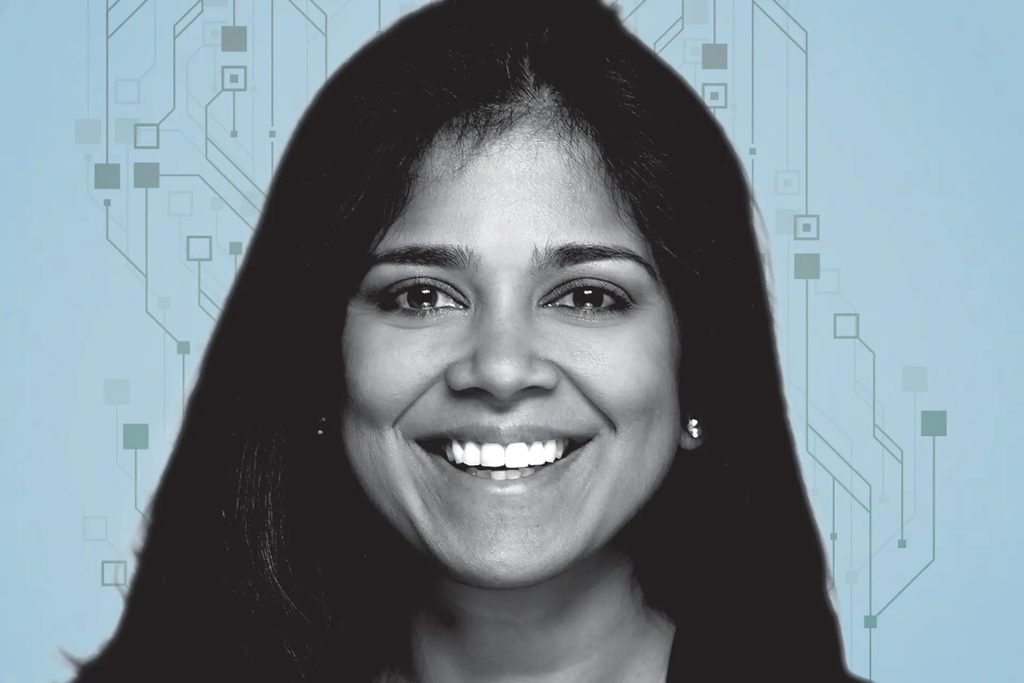
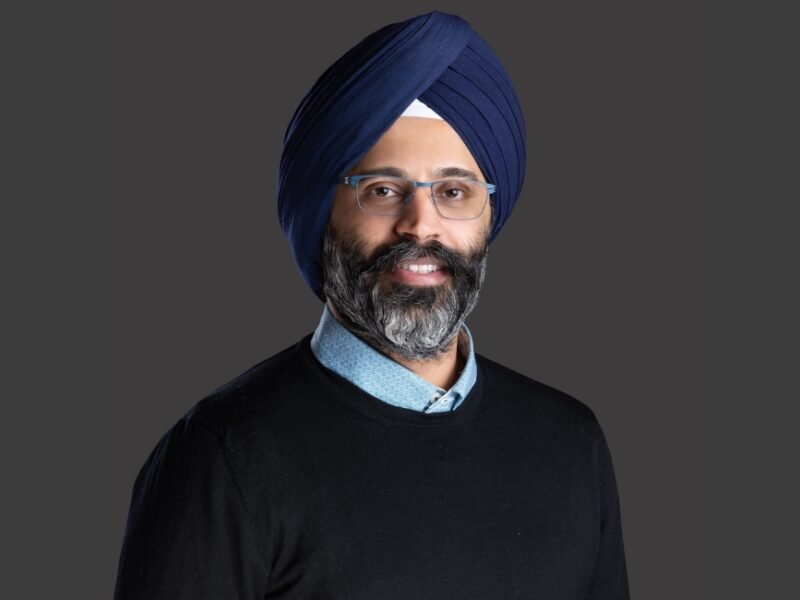
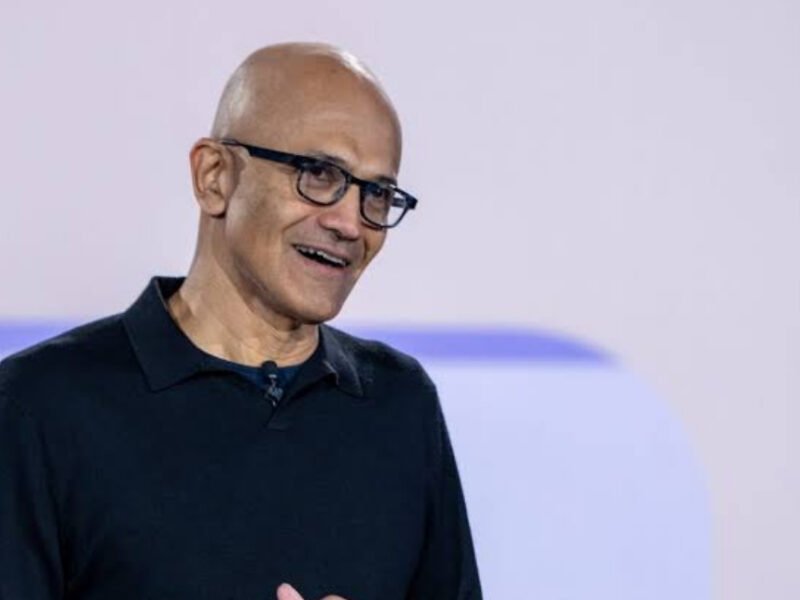
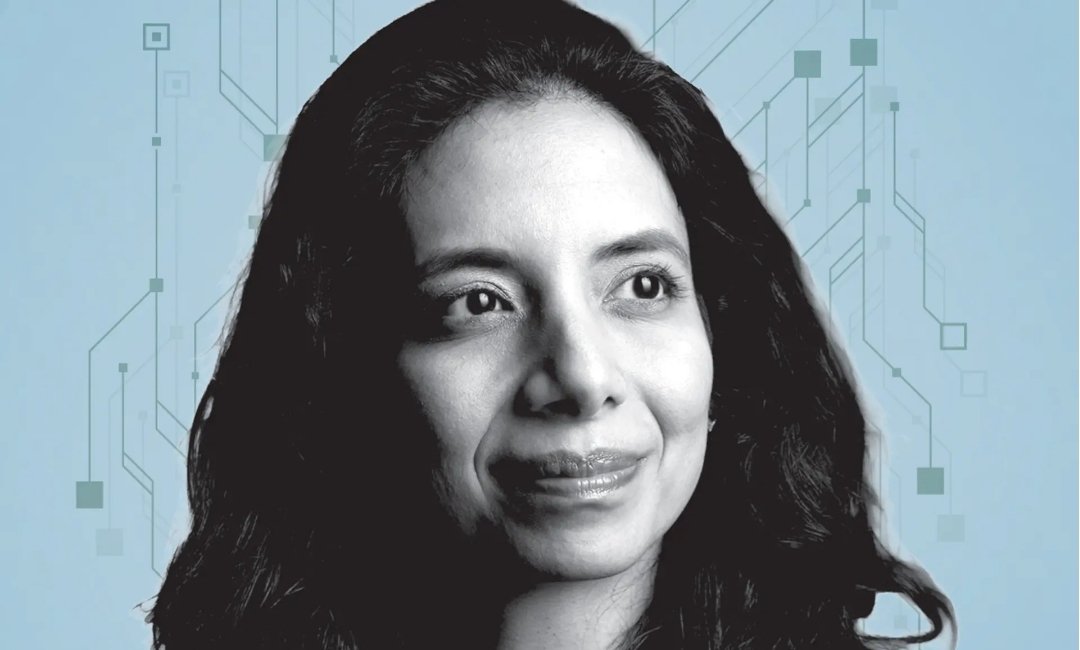
On the list are IBM Chairman and CEO Arvind Krishna, National Institute of Standards and Technology director Arvind Raman, Caltech professor Anima Anandkumar, Bayesian Health founder and CEO Suchi Saria, Micron Technology Chairman, President and CEO Sanjay Mehrotra, Encode co-executive director Sunny Gandhi, Tech Justice Law Executive Director Meetali Jain, and Cognizant CEO Ravi Kumar S.
TIME divided its annual selection into four categories – Leaders, Innovators, Shapers and Thinkers – highlighting different ways individuals are influencing the development and use of artificial intelligence.
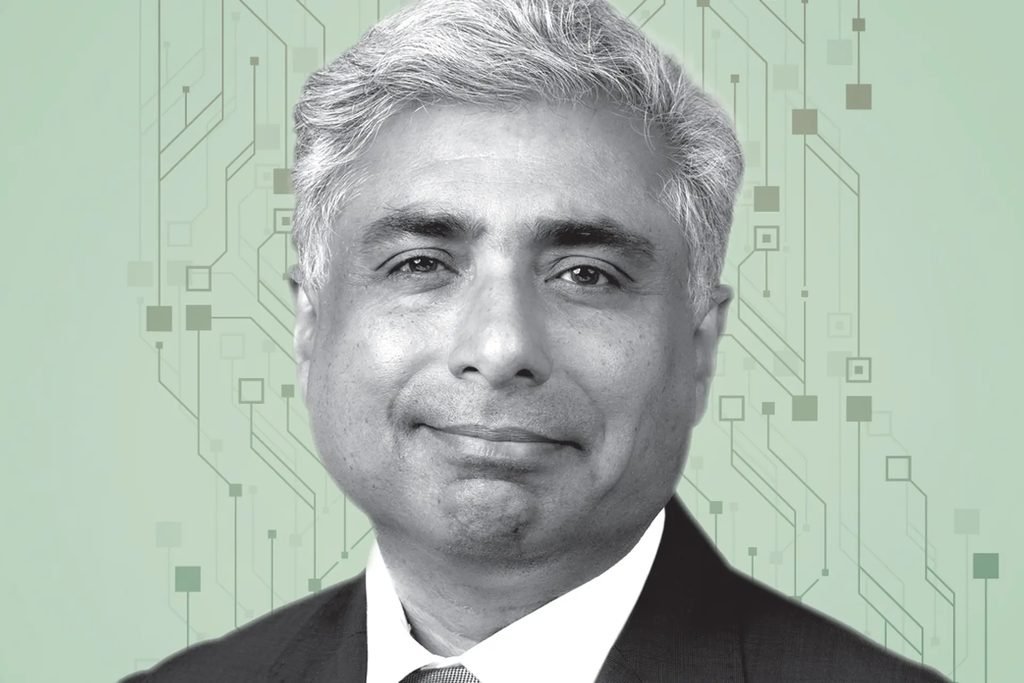
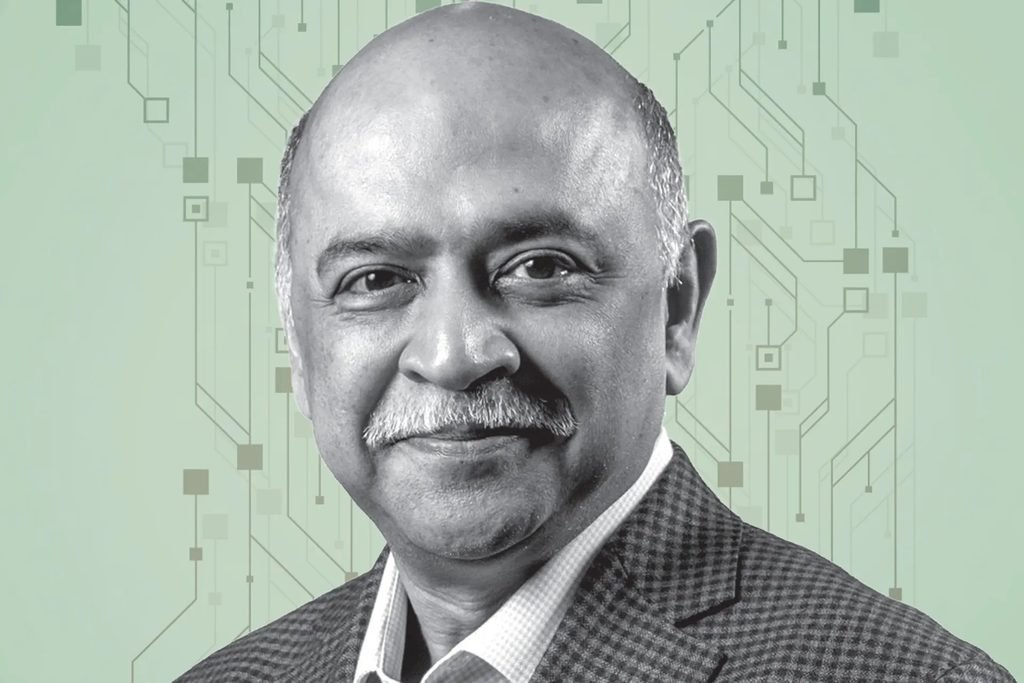
For Krishna and Mehrotra, that influence comes from the corporate technology sector, where AI is changing both software and the hardware needed to run it.
Krishna, who has led IBM as chairman and CEO since 2020, has backed smaller, more efficient AI models while keeping the company open to models developed by Google, OpenAI and Anthropic when customers need larger systems.
Mehrotra’s work sits on the infrastructure side of the AI expansion. Micron Technology is one of only three companies worldwide making high-bandwidth memory, a component used alongside advanced AI chips.
AI’s role in scientific research is the focus of Anandkumar’s work at Caltech, where she is the Bren Professor of Computing and Mathematical Sciences. Her AI-based methods for modeling physical processes can operate at speeds of more than a million times those of earlier approaches. Time noted applications ranging from weather forecasting and medical-device design to quantum computing, semiconductor manufacturing and nuclear-fusion simulations.
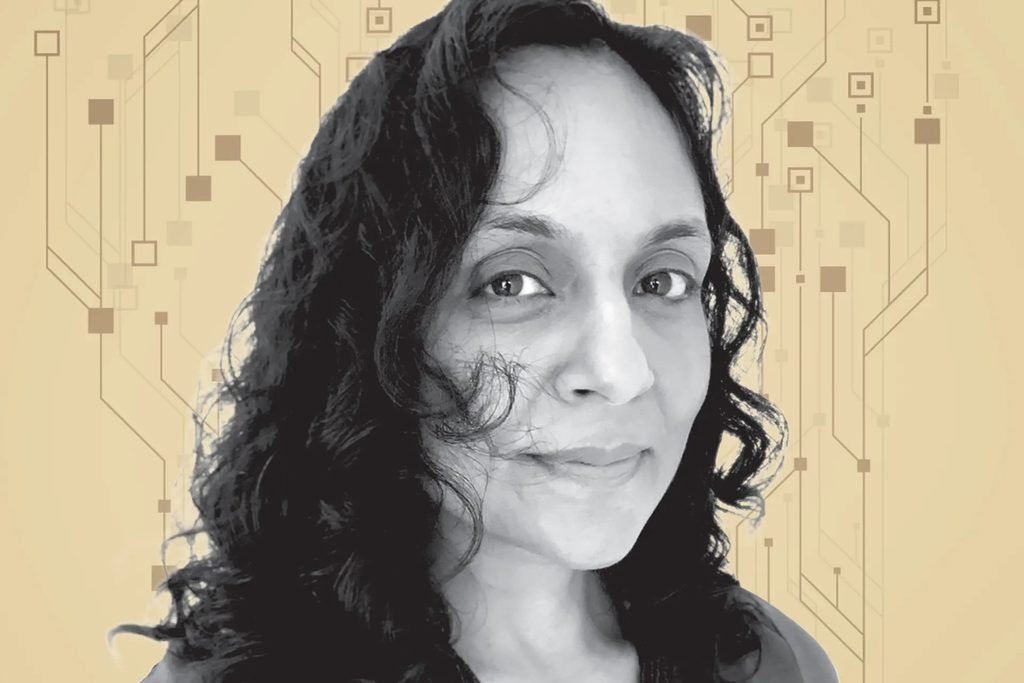
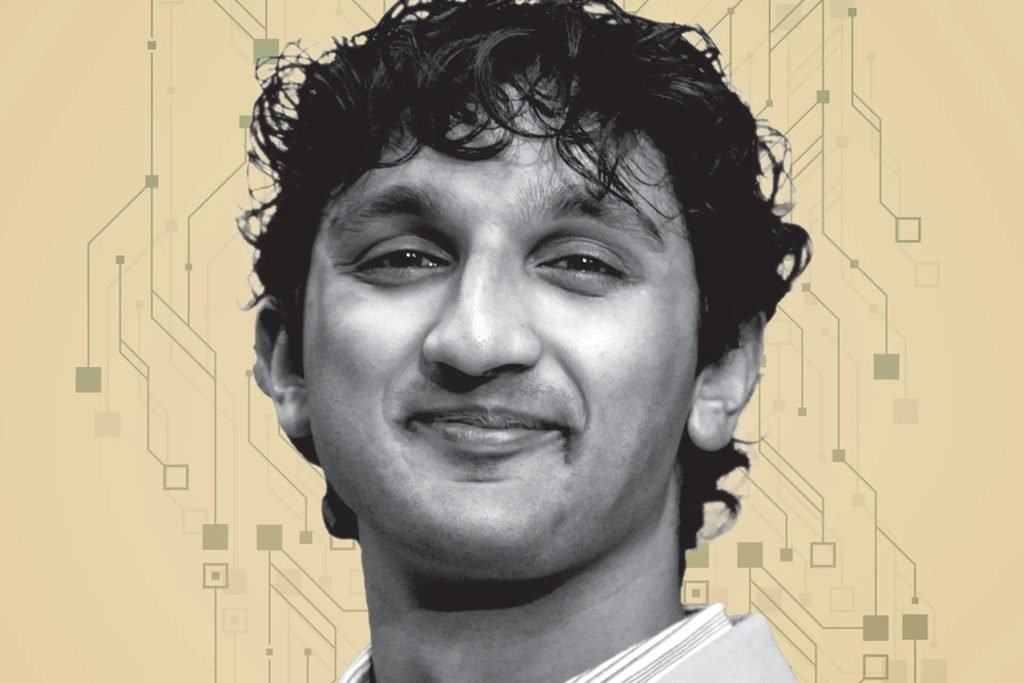
Anandkumar joined the United Nations Secretary-General’s Scientific Advisory Board in March and advises on scientific issues that include AI. She has also spoken about the potential for AI and data-center infrastructure to be directed toward scientific discovery and other public-interest uses, including weather and climate research.
Saria is applying AI to a very different area: hospital care. The system developed by her company, Bayesian Health, received FDA clearance in May for continuous AI monitoring intended to alert clinicians when a patient may be at risk of sepsis. It works by examining clinical notes, laboratory results, medical histories and vital signs for changes that could indicate an impending adverse medical event.
Raman’s work involves another part of the rapidly developing AI landscape: evaluating advanced systems and identifying their potential risks. As NIST director and acting head of the Center for AI Standards and Innovation, Raman oversees work that tests the capabilities and potential risks of advanced AI models. The findings are shared with other parts of the U.S. government.
Questions about how AI should be governed also feature prominently in the work of Gandhi and Jain. Gandhi, 24, is co-executive director of Encode, an advocacy organization that has pushed for stronger AI safety requirements at the state level. He helped advance California’s SB 1047 AI safety bill through the state legislature in 2024, although Gov. Gavin Newsom later vetoed the measure.
Jain’s work addresses AI from a legal accountability perspective. She founded Tech Justice Law in 2023, and the nonprofit’s first major case involved the family of Sewell Setzer III, a teenager who died by suicide in 2024 after allegedly interacting with a Character.AI chatbot. Character.AI and Google later settled the case for an undisclosed amount. Jain’s organization has since received calls from other families alleging harm connected to AI chatbots.
The eighth honoree, Kumar, has focused on what AI could mean for workers and the distribution of wealth.The Cognizant CEO and former nuclear scientist has argued that artificial intelligence could challenge traditional assumptions about the link between capital investment and employment.