The Climate Story Indian Americans Are missing, Is Happening On The Farm
By Hisham Mundol
When Indians abroad picture India’s climate story, it is usually power plants, electric vehicles, and solar farms across Rajasthan. These are the headlines. They deserve to be.
But the harder test of India’s development model is unfolding not in the energy sector but in the fields, dairy sheds, and coastal villages — in how India feeds nearly 1.5 billion people without exhausting the natural systems that feed them. Environmental Defense Fund is actively supporting this – bringing in science, economics and pragmatism – all while keeping the farmer, herder and fisher at the centre.
This part rarely travels well across the diaspora. It should.
India’s rural economy supports nearly 700 million people through farming, livestock, fisheries, and forests. For most Indians, these are not adjuncts to the economy; they are the economy. They are also where climate stress lands first — weaker monsoons, falling groundwater, warming seas, hotter summers. A farmer in Maharashtra, a dairy entrepreneur in Tamil Nadu, a fisherwoman on the Kerala coast: all running businesses for which the old rulebook no longer applies.
But framing this as a tragic ledger of risk is incomplete. India’s food system is not only a vulnerability — it is perhaps its most powerful lever for delivering productivity, livelihoods, and lower emissions in the same motion.
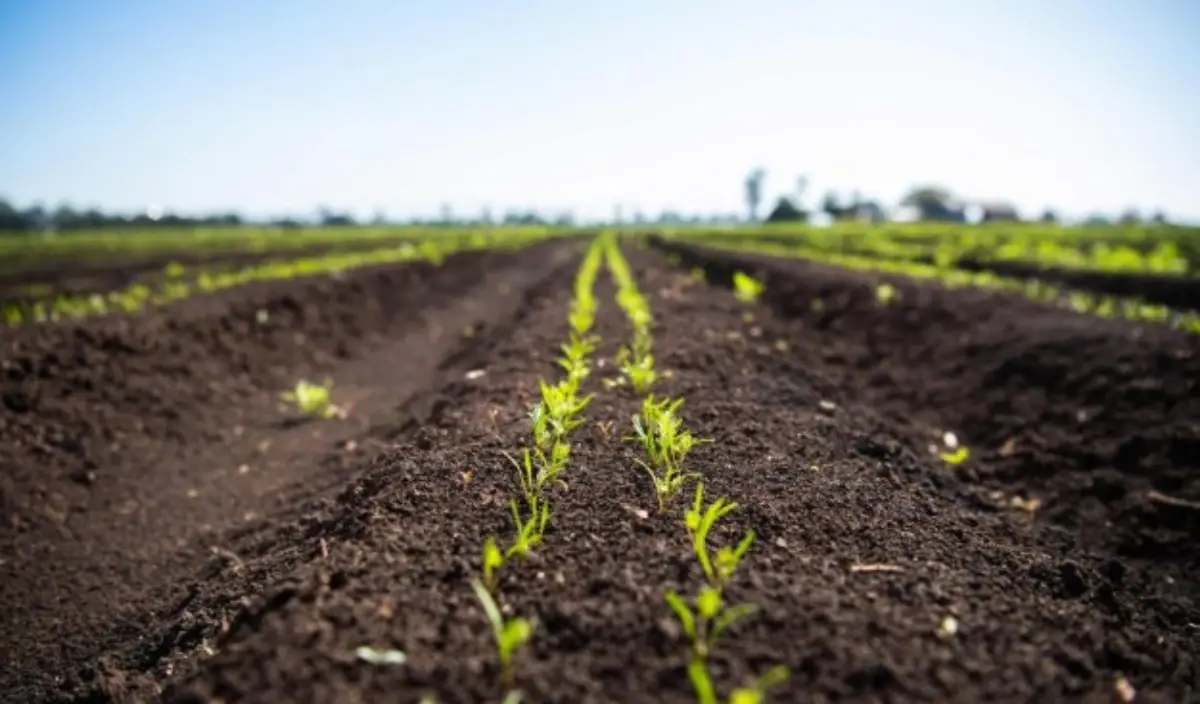
Take fertiliser. Indian farmers, on average, apply too much of it, and this is not unique to India. Excess nitrogen does not become extra grain; it leaches into water, degrades soil, and releases nitrous oxide – a greenhouse gas nearly 300 times more potent than carbon dioxide. Tools built with Indian institutions and deployed through partners, whether governments, non-profits, and corporates, are helping farmers apply the right amount at the right time. Costs fall. Yields hold or even improve. Emissions decline. Three good outcomes from one careful intervention.
Take dairy. India is the world’s largest milk producer, and the sector is a lifeline for tens of millions of households, disproportionately women. It is also a major source of methane. Better animal health, feed, and service delivery raises productivity per animal, lifting incomes and lowering emissions per litre of milk. A programme that began with a few hundred climate-smart dairy entrepreneurs in Tamil Nadu is now being adapted for state-wide scale across both there and in Maharashtra. Not aid. Enterprise.
Take groundwater. India spends enormously on public budgets, CSR, philanthropic capital, recharge structures by the thousands. Yet outcomes are uneven. The sector is output-rich, outcome-poor. The issue is not intent; it is diagnosis. Structures get built where recharge is not the binding constraint; success is counted in structures, not water saved. A partnership is reordering the sequence – diagnose first, design second, assess continuously, with low-cost sensors, community-led monitoring, and outcome indicators. From activity to impact. From structures to systems.
Take fisheries. India is one of the world’s largest seafood producers — exports run into the billions. The long-term question is whether the fish keep coming, and that depends on how the fishery is managed. The most underused lever is traceability. When a buyer in Tokyo, Brussels, or San Francisco can verify where a fish was caught and how, sustainability stops being a cost and becomes a price premium. It turns environmental performance into market access, and creates demand for the very solutions science already supports.
For Indian Americans, the relevance is not abstract. The grains, the dairy, the seafood you grew up with, and the families you fly home to visit, all sit inside this system. A sustainable food system in India is not a charitable cause. It is whether India can feed itself, with dignity, through the decades of climatic change ahead.
India has the science, scale, and institutional muscle. What it needs is the same thing it has shown elsewhere: in space, in digital payments, in renewables; the discipline to execute, and partners willing to stay the course.
The food systems question is not whether India can meet it. It is whether the world is paying attention while it does.
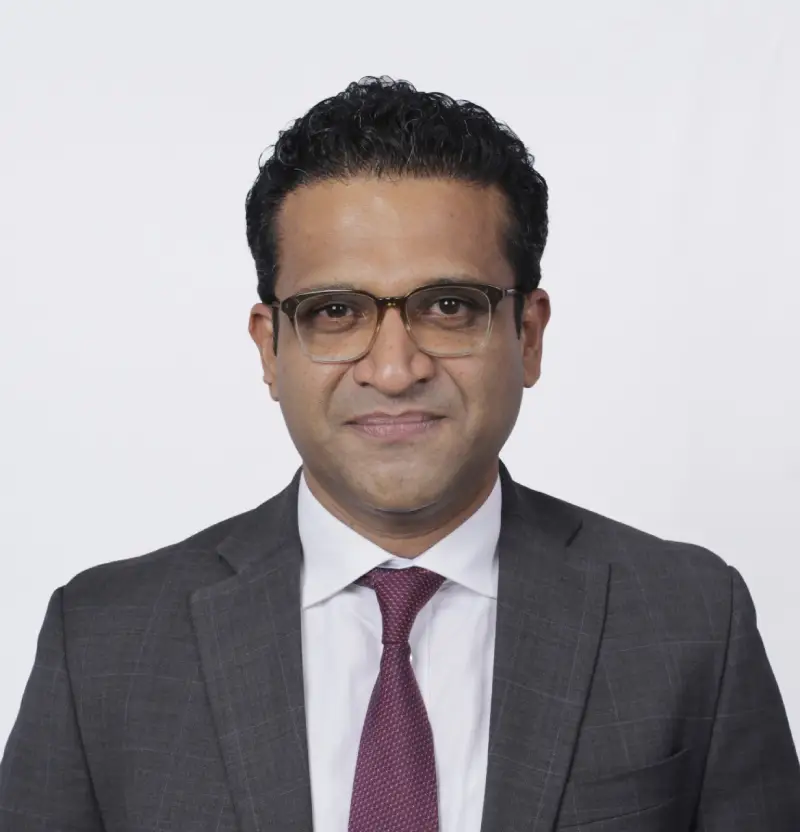
(Mundol is Chief Advisor, India, at the Environmental Defense Fund. Views are personal.)
Explore the latest nature news, environmental updates, wildlife stories, climate developments, and conservation insights followed by readers and nature enthusiasts across Canada.