Punjab Crime Syndicate Recruited Indian Youth Using Fake US Visas
WASHINGTON, DC-An organized crime syndicate recruited vulnerable young people from India by promising money, power and opportunities to migrate to countries including the United States and Canada, while allegedly paying some recruits as little as Rs 20,000 (approximately $200) to commit murders, according to a sweeping US federal indictment.
The 44-page indictment, provides a rare look into what US prosecutors describe as the recruitment model of the Jaggu Bhagwanpuria Organized Crime Group, a transnational criminal organization alleged to have expanded from Punjab into North America, Europe and Oceania.
Filed in the US District Court for the Central District of California, the indictment charges 15 defendants, including alleged gang leader Jaggu Bhagwanpuria and Indian national Nitish Kaushal, who was arrested by the FBI in Vermont this week after being placed on its Most Wanted list.
According to the indictment, the Bhagwanpuria Organized Crime Group originated in Punjab under the leadership of Jaggu Bhagwanpuria. Prosecutors allege he later built an international criminal network after breaking away from the Lawrence Bishnoi organized crime group.
According to prosecutors, the group primarily targeted “vulnerable, disadvantaged populations in India” and deliberately recruited minors because they faced lower criminal penalties if caught committing violent crimes.
The indictment alleges that in certain parts of India, the organization paid recruits “as little as 20,000 rupees, or approximately $200, to commit murder on behalf of the enterprise.”
US prosecutors further allege that recruitment coordinators enticed young people by promising “money, notoriety, power, and the ability to escape India.”
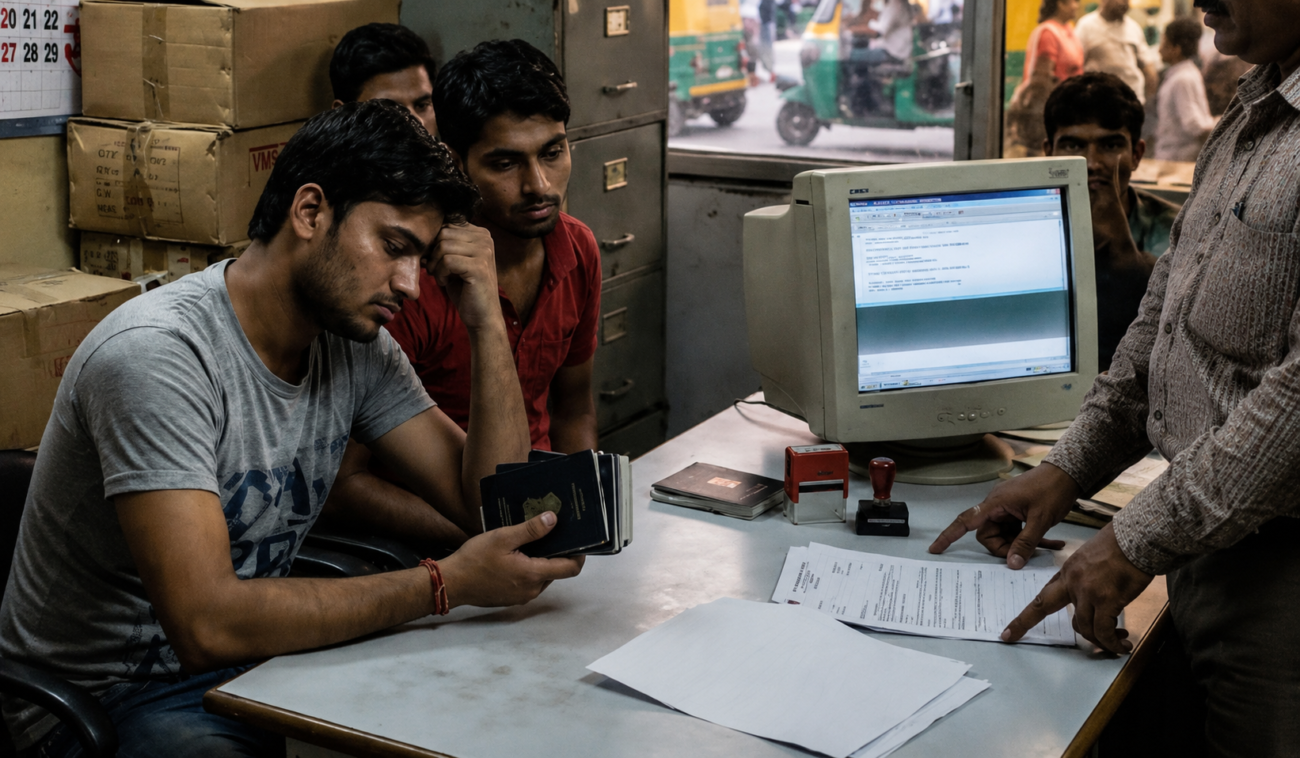
According to the indictment, recruiters also targeted individuals who could qualify for student or foreign work visas. Prosecutors allege that members who demonstrated loyalty to the organization were rewarded by being sent to operate in countries including the United States and Canada.
Prosecutors allege the organization eventually built a network of more than 1,000 members and associates worldwide, including more than 100 in the United States.
According to prosecutors, members believed it was “difficult, if not impossible,” to leave the organization because those considered disloyal risked violence against themselves or their family members, particularly relatives living in India.
Prosecutors also allege the organization gathered information about victims’ relatives in India and threatened family members to force payment of extortion demands.
US authorities contend that the recruitment strategy helped transform what began as a regional criminal group into an international organized crime network operating across multiple continents. (IANS)