University Of Chicago Study Highlights Disparities In Climate Survival
NEW DELHI – Climate-driven temperature increases are projected to cause about 430,000 additional deaths annually by 2050, with low-income countries expected to suffer 10 times more heat-related deaths than wealthier nations because they lack access to the electricity needed for cooling, according to a new report released on July 27 by the Climate Impact Lab.
“Air conditioning is a life saver, and climate change will no doubt lead to more AC adoption in today’s wealthy countries. Our research finds, however, that in too many countries around the world people will not be able to respond in the same way. The result is one of climate’s great cruelties — lots of death in the very countries that have contributed the least to climate change,” said Michael Greenstone, co-founder of the Climate Impact Lab and the Milton Friedman Distinguished Service Professor in Economics at the University of Chicago.
“These findings are a clarion bell that many countries do not have much time to improve the functioning of their electricity markets so they deliver inexpensive and reliable energy and identify other successful adaptations that can save lives,” he added.
According to the report, only the world’s richest countries currently have the resources needed to power cooling. While electricity used for cooling is projected to grow seven times more in middle-income countries than in low-income countries because of climate change, the projected increase in electricity use per person in low-income countries would be enough to power a single LED bulb for only four months.
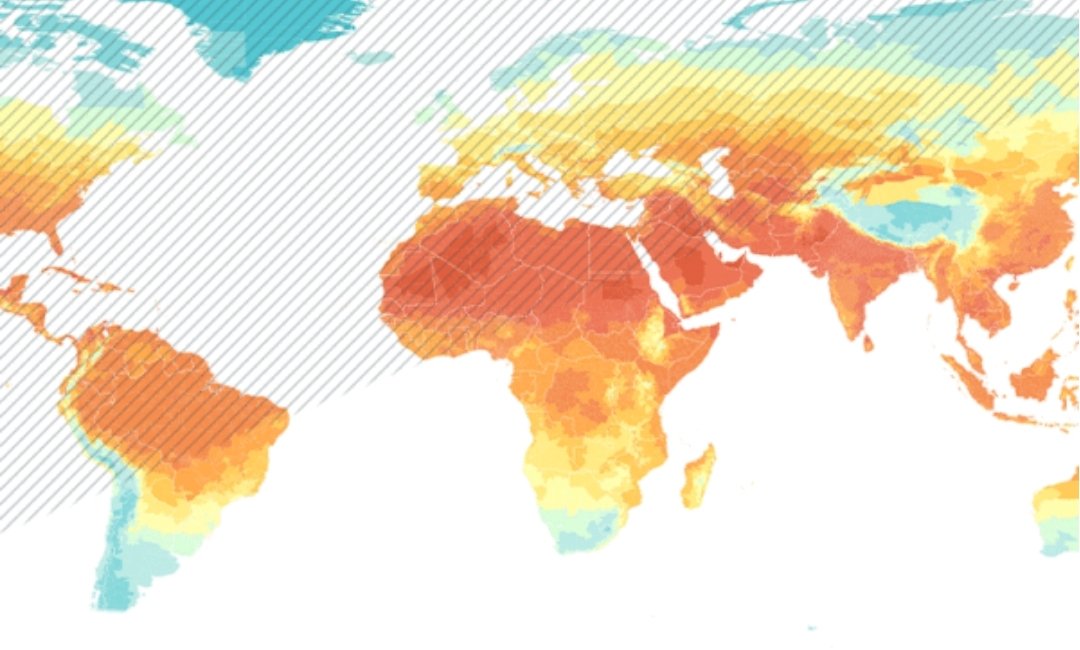
The report identifies areas across 18 countries, home to about 676 million people, that face the deadly combination of extreme heat and limited access to cooling. Due to hotter temperatures and little projected increase in energy consumption, these regions are projected to see about 377,000 heat-related deaths annually by 2050.
Most of those affected live in northern sub-Saharan Africa, including Niger, Mali, Burkina Faso and Chad. The report also identifies vulnerable regions in South Asia, including Pakistan, Bangladesh, Nepal and Myanmar.
By contrast, wealthier Gulf countries such as Bahrain, Kuwait, the UAE and Saudi Arabia face similarly high temperatures but consume far more electricity for cooling and are projected to significantly increase that capacity, resulting in fewer heat-related deaths.
Comparing Niger and Saudi Arabia, the report projects that per-person electricity use in Niger will increase by only one-ninth as much as in Saudi Arabia. As a result, communities in Niger are expected to suffer 27,000 more heat-related deaths annually by 2050 than their wealthier counterpart.
“We’ve identified the places most at risk of seeing more people die from the heat and least able to power up ACs to save them, so people and governments can zero in on saving the greatest number of lives,” said Ashwin Rode, a fellow at the Climate Impact Lab and director of scientific research at the Energy Policy Institute at the University of Chicago.
“Communities will need to find ways to protect people from heat like improved energy access, employing heat early warning systems and action plans, expanded healthcare access, and targeted social programs.” (IANS)