Cal State Researcher Gets NASA Grant For Growing Veggies In Space
India-West News Desk
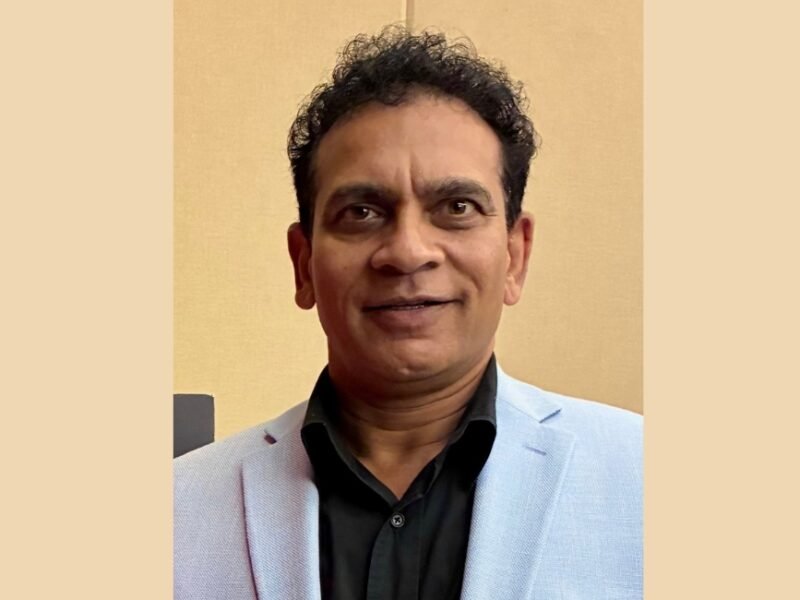
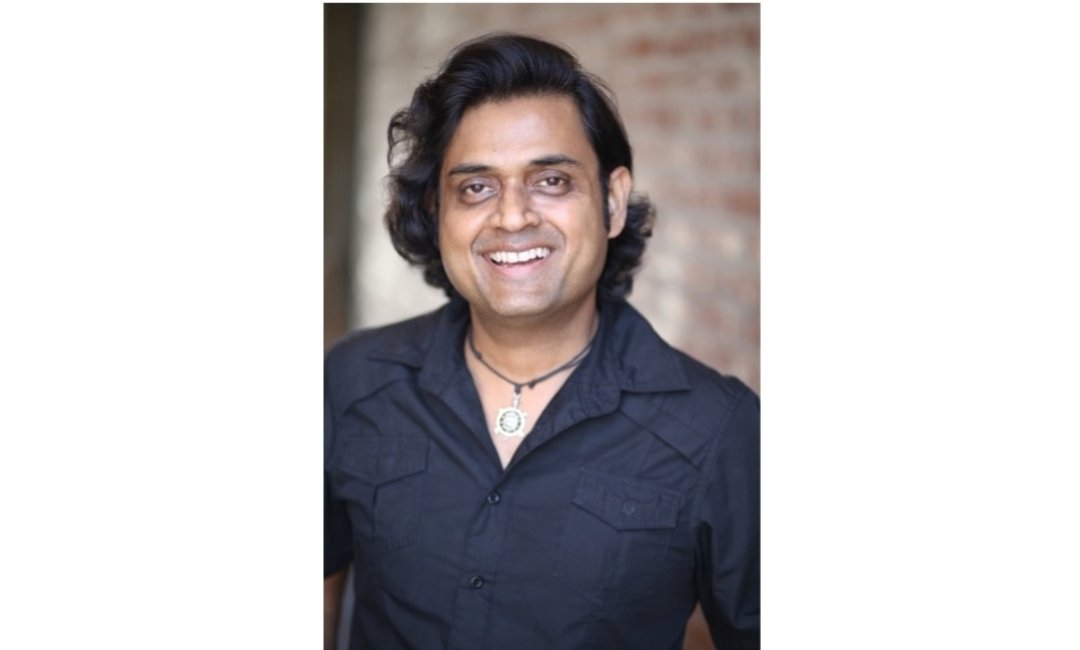
NORTHRIDGE, CA – Chhandak Basu, a biology professor at California State University, Northridge, has received $700,000 in NASA grants to study how plants and microbes survive under conditions that resemble those found in space.
Basu’s latest grant, worth $400,000, will focus on leafy vegetables and how they respond to microgravity combined with drought-like conditions. The award follows a $300,000 NASA grant for his research on Halobacterium salinarum, a salt-tolerant microbe that can survive exposure to ultraviolet light, heavy metals and high salt concentrations.
The earlier study looked at the molecular and genomic mechanisms that help the microbe withstand such conditions. Basu said the research could provide insights into the origins of life and the possibility of life beyond Earth.
His new project turns to plants, with researchers studying how leafy greens grow in microgravity and under the dry conditions that could be encountered on the moon or Mars.
Basu is collaborating with scientists at NASA’s Ames Research Center in Silicon Valley, including Craig Everroad, a co-investigator on the project. The team will also study microbes that grow around the roots of plants cultivated in simulated lunar and Martian soils.
To simulate the effects of microgravity, the researchers will use a clinostat, a rotating device that alters how plants experience gravity. Basu will work with two to three CSUN students and NASA scientists to study how plants respond when their normal sense of gravity is disrupted.
The research will include examining whether plants can grow in lunar or Martian soil, both of which present extreme drought conditions. The work could also be relevant to agriculture on Earth as water becomes increasingly scarce and drought affects growing conditions.
Basu said fresh vegetables could give astronauts another food option during space missions. He also pointed to the potential benefit of caring for plants in the enclosed environment of a space station, where astronauts live away from family and friends.
The project includes stipends for two to three CSUN students, allowing them to conduct research at Ames Research Center alongside NASA scientists.
Born to a family of professors in Kolkata, Basu received a bachelor’s degree in agricultural sciences from B.C.K.V. (Agricultural University) in West Bengal. He then earned a Master of Science in agronomy from Montana State University and a Doctor of Philosophy in environmental sciences from the University of Rhode Island. Basu later went on to spend two years as a postdoctoral research associate in the Department of Plant Sciences at the University of Tennessee in Knoxville.