DOJ Withdraws NYT Subpoenas After Judge Subramanian Blasts Investigation
India-West News Desk
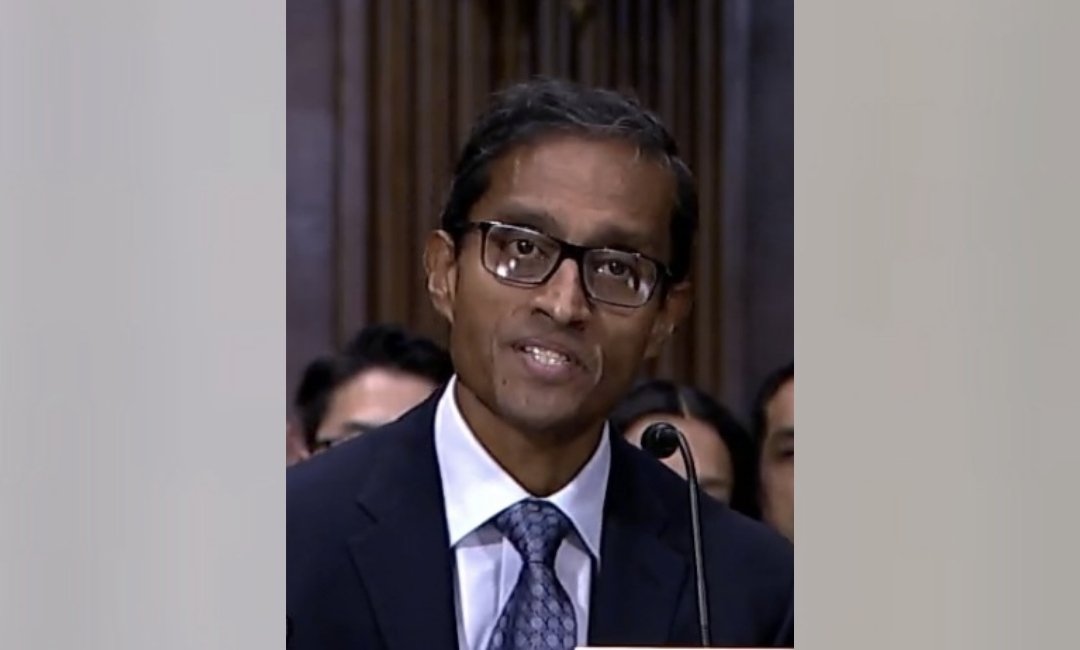
NEW YORK, NY – U.S. District Judge Arun Subramanian sharply questioned Justice Department attorneys on July 23 over subpoenas issued to New York Times reporters and their phone records, ultimately prompting the government to withdraw the demands during a tense federal court hearing.
The subpoenas were part of a Justice Department investigation into the source of a New York Times report on security systems aboard the new Air Force One aircraft donated by Qatar.
Following the hearing, Subramanian issued a brief order confirming that the government had “voluntarily withdrawn the challenged subpoenas,” rendering them “null and void.”
Throughout the hearing, the judge repeatedly asked federal prosecutors over why they sought subpoenas before exhausting other investigative options. He noted that the Justice Department’s own policies treat subpoenas directed at journalists as a last resort, not a first step.
The judge also questioned prosecutor Kevin Sullivan, who had sought judicial approval for the subpoenas, over omissions in the application. Subramanian asked why the filing did not disclose that the investigation involved New York Times reporters and why it stated the investigation was not public despite media reports about it.
Sullivan acknowledged the omissions, calling them “an oversight.”
At another point, the judge remarked that the government’s “inadvertent errors” were “piling up.”
The New York Times had challenged the subpoenas after several of its reporters received grand jury demands following publication of articles on President Donald Trump’s use of an older presidential aircraft and security limitations involving the Qatari donated replacement.
The newspaper argued that the subpoenas were “abusive and improper” and revealed that prosecutors had also sought phone records from third party service providers, including records belonging to family members of Times journalists.
According to court filings, some of the subpoenas sought phone records dating back to January 1, months before the articles were published, prompting the newspaper to argue that investigators were casting an overly broad net in search of confidential sources.