
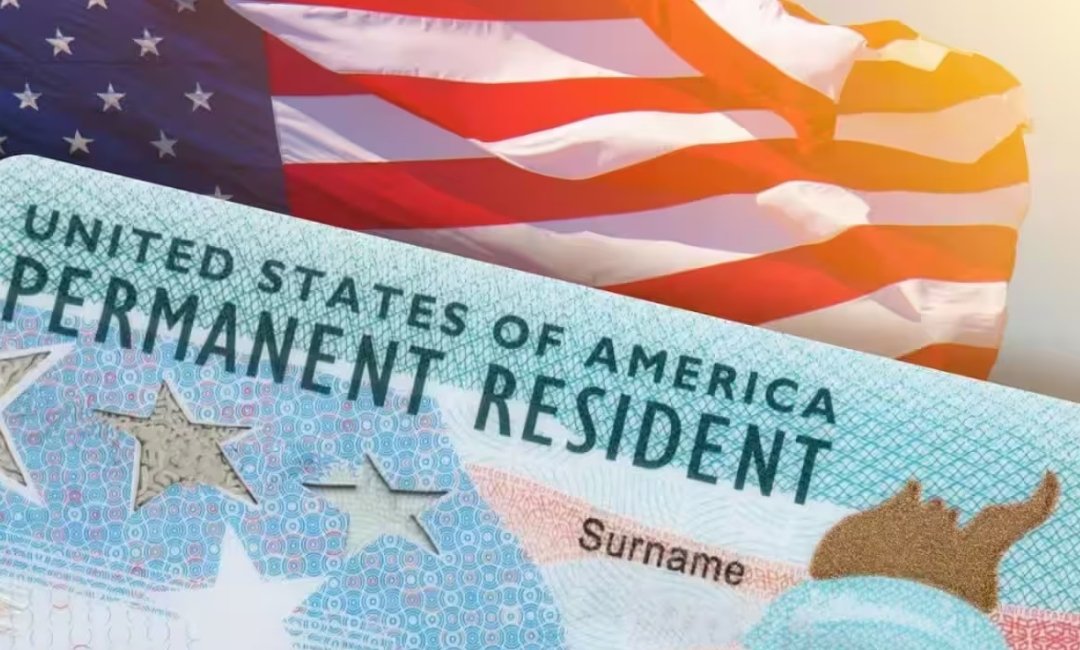
Indian Green Card Wait Hits 11 Years In Key US Categories
WASHINGTON, DC-Indian professionals seeking employment-based US Green Cards continue to face waits of more than a decade in key categories, even as the start of fiscal 2027 has restored visa numbers and brought some movement, according to the US State Department’s October Visa Bulletin.
The sharpest disparity remains in the employment-based second preference, or EB-2, category, widely used by professionals with advanced degrees or exceptional ability.
For applicants chargeable to India, the EB-2 final-action date is November 1, 2013, compared with January 1, 2025 for most other countries.
That leaves the cutoff for Indian applicants more than 11 years behind the date for most of the world.
The gap is similar in the EB-3 category for skilled workers and professionals. India’s final-action date is January 1, 2014, compared with May 15, 2024 for most other countries.
The dates do not mean that every applicant will wait exactly that long. They indicate which priority dates are currently eligible for final action on permanent-residence applications, subject to visa availability and other requirements.
There was some movement for Indian applicants at the beginning of fiscal 2027.
India’s EB-1 final-action date, covering priority workers such as people with extraordinary ability, outstanding professors and researchers, and certain multinational executives, moved to February 1, 2023.
The October bulletin also restored availability in EB-2 India after the category became unavailable toward the end of the previous fiscal year because its annual visa allocation had been exhausted.
The State Department said the arrival of fiscal 2027 immigrant visa numbers allowed filing and final-action dates to advance across several categories. The October figures, however, underscore how India’s employment-based backlog remains substantial despite the new annual allocation.
The separate “Dates for Filing” chart provides somewhat later dates for Indian applicants. Under that chart, EB-1 India stands at July 1, 2024, while both EB-2 and EB-3 India are at January 15, 2015.
US Citizenship and Immigration Services determines each month whether applicants seeking adjustment of status inside the United States may use the State Department’s Dates for Filing chart rather than the more restrictive Final Action Dates chart.
The distinction is significant. A filing date can allow an eligible applicant to submit an adjustment-of-status application, while the final-action date determines when an immigrant visa number is available for the case to be approved.
India is one of four countries currently subject to per-country limits and high demand under the US preference-immigration system, along with mainland China, Mexico and the Philippines.
The State Department said allocations are made, to the extent possible, according to priority dates. When demand exceeds the available numerical allocation for a country or category, a cutoff date is imposed.
Federal immigration law sets numerical limits on employment-based immigrant visas and also limits the proportion available to nationals of any single country. The October bulletin says the worldwide employment-based preference level is at least 140,000 annually.
These country limits have had an outsized effect on India because of the large number of Indian professionals in the US employment-based immigration pipeline. As a result, applicants can remain in temporary immigration status for years while waiting for their priority dates to become current.
The Visa Bulletin is issued monthly by the State Department and can move forward, remain unchanged or retrogress depending on demand and the number of immigrant visas available. (IANS)

pemba
/
For Indians 110 sounds better than 11.
October 6, 2026