India’s Traditional Crafts Have Their Moment In Global Diplomacy
India-West News Desk
NEW DELHI – Ancient craftsmanship, indigenous art forms, and regional traditions from across India found a global audience through a collection of handcrafted works that showcased the country’s diverse cultural heritage.
During Prime Minister Narendra Modi’s recent visits to New Zealand, Indonesia, and Australia, several gifts he presented to leaders and dignitaries highlighted India’s rich artistic traditions, with each piece representing the skills, stories, and cultural identity of different regions. From the tribal metalwork of Bastar and the intricate embroidery of Lucknow to Himalayan textiles, Kashmiri artistry, and rare teas from Assam, these creations reflected generations of craftsmanship preserved by artisan communities.
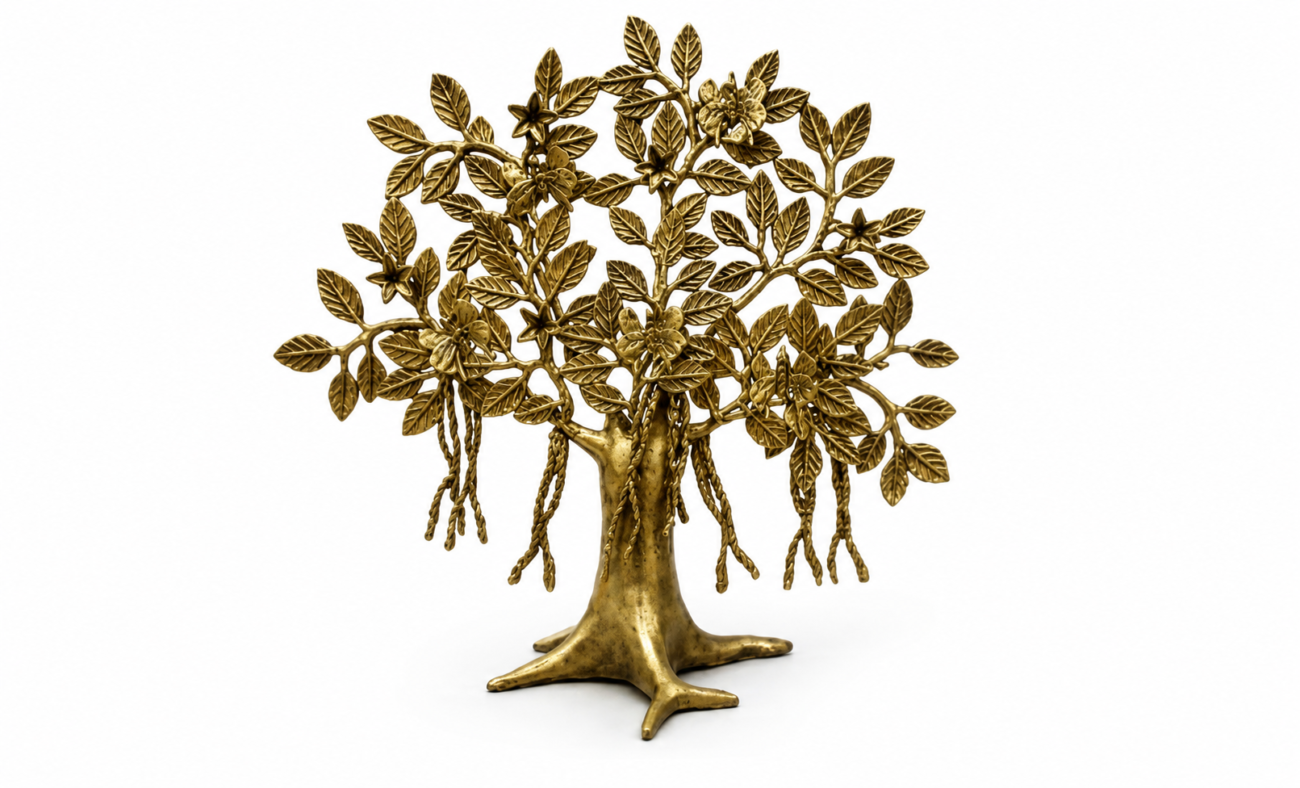
One of the most distinctive works was the Dhokra Tree of Life sculpture from Bastar, Chhattisgarh, created using the ancient lost-wax casting technique, one of the world’s oldest methods of metal casting. Practiced by tribal artisans for centuries, Dhokra involved creating molds from wax before casting metal, making every piece unique.
The Tree of Life carried deep symbolism, representing interconnectedness, renewal, prosperity, and harmony between humans and nature. It also reflected the Indian concept of Kalpavriksha, the mythical tree associated with abundance and fulfillment. Its themes of ancestry and connection echoed the Maori idea of Whakapapa, highlighting universal cultural values.
The traditional Pahari Cap of Uttarakhand reflected the cultural identity of the Himalayan region. Handcrafted from high-quality wool, the cap featured vibrant woven bands showcasing traditional textile techniques. Worn during festivals, weddings, religious ceremonies, and community gatherings, it represented pride, dignity, hospitality, and respect while helping preserve indigenous weaving practices.
India’s celebrated embroidery heritage was represented through the Zari Zardozi wall hanging from Lucknow, Uttar Pradesh. The centuries-old craft used metallic threads, sequins, beads, and decorative embellishments to create elaborate floral and ornamental patterns. Once associated with royal courts, Zardozi continued to support skilled artisans and preserve India’s luxury embroidery traditions.
The artistic traditions of Uttarakhand were also reflected in Aipan art, a folk painting style from the Kumaon region. Traditionally created by women during festivals and auspicious occasions, Aipan used a terracotta-red base called Geru and intricate white designs made from rice paste. An artwork depicting Lord Shiva featured sacred geometric motifs symbolizing cosmic energy and the relationship between spirituality and visual expression.
Kashmir’s rich artistic legacy was represented through Papier-Mache craftsmanship, a delicate art form created from processed paper pulp and decorated using the traditional Naqashi technique. Artisans hand-painted floral motifs, birds, and ornamental patterns, often adding fine gold detailing and lacquer finishes to create decorative pieces known for their beauty and durability.
Another example of India’s metal artistry was a traditional silver decorative plate created through Repousse and chasing techniques. Crafted entirely by hand, the piece featured a central lotus motif surrounded by elephants, trees, and floral borders. The lotus symbolized purity and enlightenment, while the elephant represented wisdom, strength, prosperity, and royal heritage.
India’s handloom traditions were showcased through Odisha Ikat, locally known as Bandha. The silk textile was created through a complex tie-and-dye process in which threads were carefully dyed before weaving. The technique produced intricate patterns with distinctive curving motifs, soft edges, and identical designs on both sides of the fabric.
The craftsmanship of Bihar’s Mithila region was represented through Madhubani painting, a folk art tradition known for bold outlines, intricate details, and natural colors. Often inspired by nature, mythology, and daily life, Madhubani artworks preserved the storytelling traditions of the region. A peacock-themed painting highlighted the traditional connection between humans, animals, and the natural world.
Rajasthan’s woodcarving tradition was showcased through a hand-carved wooden elephant sculpture featuring intricate latticework. Created from a single block of seasoned wood, the artwork demonstrated the precision and patience of master craftsmen. The elephant, deeply revered in Indian culture, symbolized wisdom, strength, prosperity, and good fortune.
India’s culinary heritage was represented through Manohari Gold Tea from Assam, among the world’s rarest specialty teas. Made from tender buds of the P126 tea clone, the tea was hand-plucked, hand-rolled, and naturally sun-dried during the second flush season. Produced in extremely limited quantities, it reflected Assam’s centuries-old tea-growing traditions and artisan expertise.
The country’s coffee-growing heritage was highlighted through premium Indian coffee varieties cultivated across major coffee regions. The collection showcased how geography, altitude, and processing methods shaped the distinctive flavors of Indian coffee.
The connection between traditional craftsmanship and contemporary culture was represented through a vinyl record edition of the Colonial Cousins, the influential 1990s collaboration between musician Hariharan and composer Leslie Lewis. Blending Indian classical traditions with Western pop, rock, and acoustic influences, the group created a distinctive sound that connected audiences across cultures.