‘Operation Hard Ball’ Seen As Boost To India’s Anti-Khalistan Push
NEW DELHI-Indian officials say the FBI-led ‘Operation Hard Ball,’ conducted with support from the Royal Canadian Mounted Police (RCMP), marks a significant step in tackling the gangster-terror nexus that India has long warned poses a threat to both national and international security.
The operation targeted criminal networks allegedly led by Lawrence Bishnoi, Goldy Brar and Rohit Godara, which officials said had terrorized law-abiding citizens, particularly members of the Punjabi community.
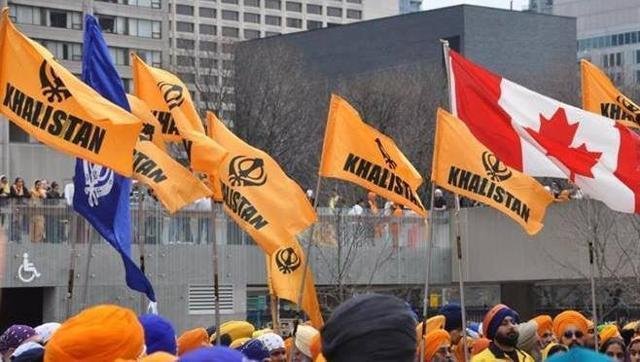
According to officials, the gangs not only targeted Indian nationals abroad and attempted radicalization but also promoted the Khalistan cause.
Officials said the operation reflects growing international recognition of India’s long-standing concerns about the Khalistan movement and its links to transnational organized crime.
An Intelligence Bureau official said the U.S. action indicates that groups operating in the name of the Khalistan movement were running transnational criminal networks across Canada, the United States, Europe, the United Kingdom, New Zealand and Australia.
The official said the operation was a major success for Indian agencies and could help curb activities linked to the nexus, including human trafficking, money laundering, narcotics smuggling and violence associated with the Khalistan movement.
Another official said the operation signals broader international action against such networks.
The official said authorities in Canada and the United Kingdom have already begun acting, attributing the increased cooperation to sustained engagement with India under Prime Minister Narendra Modi. The official added that the Modi government had consistently warned partner countries that allowing such groups to operate would have serious consequences.
The U.S. action led to the arrest of 37 people accused of operating global criminal syndicates from Indian prisons. They face separate federal indictments involving organized crime and propaganda-related activities, officials said.
Officials also said U.S. authorities seized narcotics that they believe financed elements linked to the Khalistan movement. They alleged that Pakistan’s Inter-Services Intelligence (ISI) has backed drug-smuggling networks to help revive the movement.
Following the operation, the U.S. Department of Justice (DoJ) said: “‘Operation Hard Ball’ was the result of a years-long federal investigation into Indian crime syndicates that engage in racketeering, targeted killings, shootings, extortion, the trafficking of bulk quantities of narcotics across international borders.”
U.S. First Assistant Attorney Bill Essayli said: “Transnational criminal gangs who spread fear, drugs, and violence will face the full force of justice and the weight of the federal government.”
Describing Lawrence Bishnoi’s alleged role, the U.S. Department of Justice said: “In private, Bishnoi presided over a sweeping criminal enterprise that spanned multiple continents. Using contraband cellphones and other voice-over internet protocol devices smuggled into his jail cell, Bishnoi personally directed political assassinations, murders, shootings, extortions, kidnappings, drug trafficking, human smuggling, and other crimes committed by members and associates of the Bishnoi enterprise worldwide.”
Officials said intelligence sharing between India and partner countries has played a key role in identifying the transnational network. They said cooperation is expected to deepen further to counter the Khalistan-linked nexus involving drug trafficking, arms smuggling and organized crime. (IANS)