India Becomes World’s No. 2 In Solar Growth, Surpassing US Under Trump
NEW DELHI -India has emerged as the world’s second-largest market for new solar power installations, overtaking the United States, according to a government factsheet released on August 2. The milestone comes as India continues to rapidly expand renewable energy while the United States has shifted course under President Donald Trump.
India’s rapid solar expansion stands in sharp contrast to policy changes in the United States. Since returning to office, Trump has reversed many of the Biden administration’s climate and environmental policies, including rolling back regulations aimed at reducing greenhouse gas emissions, easing restrictions on fossil fuel production, and withdrawing federal support for several clean energy initiatives. His administration has emphasized expanding oil, natural gas and coal production while scaling back climate-focused regulations, marking a significant shift away from the renewable energy policies pursued under former President Joe Biden.
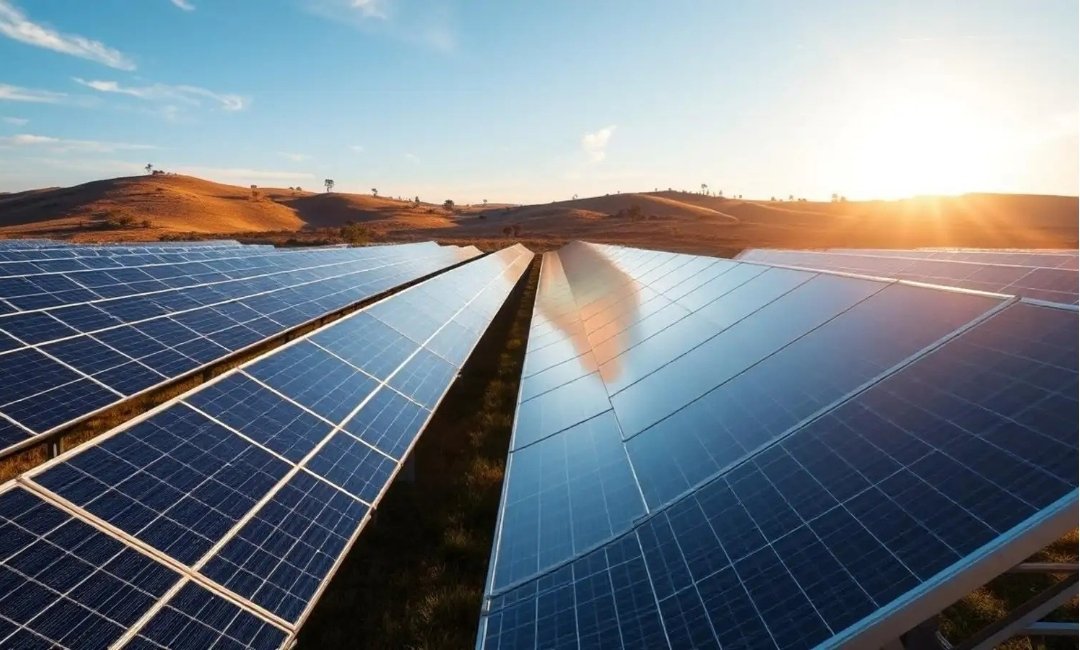
India meanwhile has moved forward, addubg more new solar capacity in 2025 than any country except China, reflecting the country’s push to reduce its dependence on fossil fuels and expand access to cleaner sources of electricity. The government said India’s installed solar capacity has grown dramatically over the past decade, transforming the country into one of the world’s fastest-growing renewable energy markets.
A key driver has been the steep decline in the cost of solar power. Competitive bidding for projects has pushed electricity prices down, making solar one of the cheapest sources of new power generation in India. The government said the cost of generating electricity from utility-scale solar projects is now below the global average.
India is also expanding beyond traditional ground-mounted solar farms. The recently approved Pradhan Mantri Surya Sarovar Yojana will promote floating solar projects on reservoirs and industrial ponds, paired with energy storage systems. The initiative is intended to generate clean electricity while reducing pressure on scarce land and improving the reliability of the power grid.
Most of India’s solar capacity comes from large utility-scale projects, with rooftop solar systems also making a significant contribution. Hybrid projects and off-grid installations account for the remainder.
The government said renewable energy now supplies an increasingly large share of the country’s electricity, supporting India’s broader goal of expanding non-fossil fuel power generation and achieving net-zero emissions by 2070. (IANS)