Tariffs On Indian Goods Means Higher Prices For US Consumers, Warns FICCI
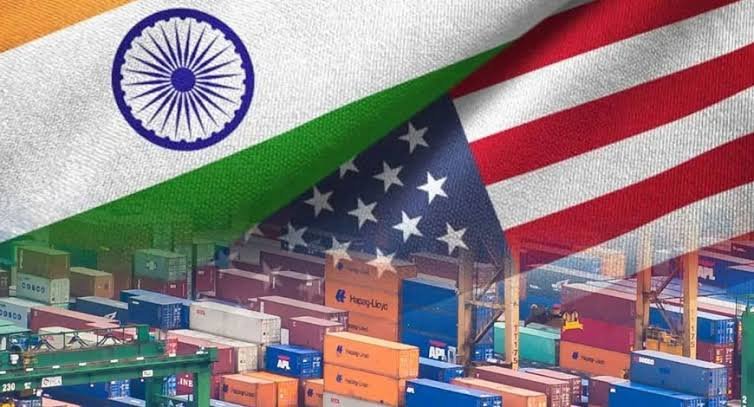
WASHINGTON, DC – A proposed 12.5 percent U.S. tariff on imports from India could lead to higher prices for American consumers by increasing costs across established supply chains, the Federation of Indian Chambers of Commerce and Industry (FICCI) told U.S. trade officials.
Appearing before a U.S. Trade Representative Section 301 hearing on July 8, FICCI representative Poornima Shenoy argued that the proposed tariff would raise costs for U.S. manufacturers, importers and retailers, with those increases likely to be passed on to consumers.
“An additional tariff will increase costs not only for Indian exporters, but also for U.S. manufacturers, importers, retailers and ultimately American consumers,” Shenoy said.
She said the tariff would make products sourced from India more expensive even when they come through supply chains that already meet stringent compliance standards required by U.S. companies and multinational brands.
According to FICCI, Indian exporters supplying the U.S. market already follow extensive supplier audits, ethical sourcing standards, worker grievance mechanisms, due diligence and traceability systems demanded by American buyers.
Shenoy argued that imposing a blanket tariff on all imports from India would not improve efforts to identify goods produced with forced labor but would instead increase costs for businesses relying on established and compliant suppliers.
“Higher tariffs for these established supply chains will raise costs for businesses that already follow compliance standards. It will not help in identifying goods produced with forced labor. It would simply make trusted supply chains more expensive,” she said.
FICCI urged the U.S. to adopt a targeted, evidence-based approach focused on higher-risk sectors rather than imposing economy-wide tariffs. (IANS)