Trump’s Threats Of Annihilating Iran Come With Promise To Seize Oil As ‘Spoils Of War’
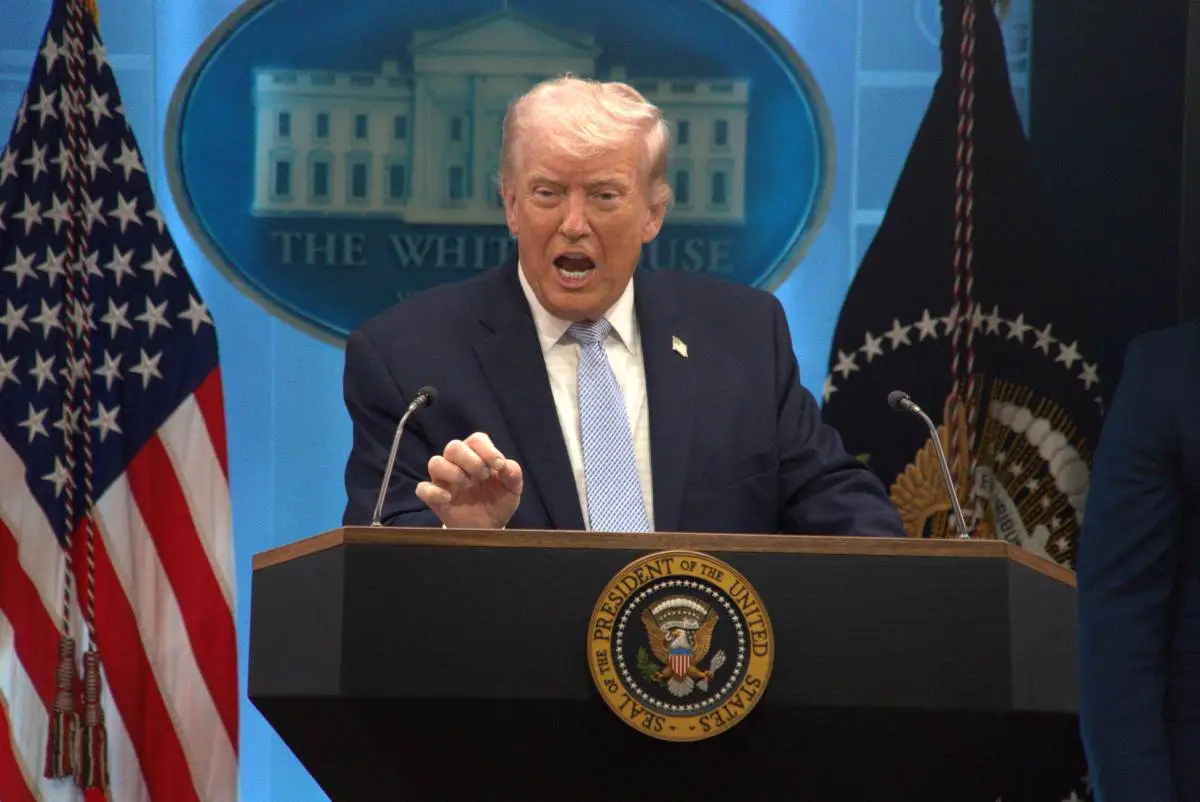
WASHINGTON, DC – President Donald Trump has suggested that the United States could take control of Iran’s oil resources as part of the outcome of the ongoing conflict, framing the idea as an economic return on military action.
Speaking in recent interviews, Trump said he would favor securing Iranian oil if given the choice. “If I had my choice… yeah, because I’m a businessman first,” he said, adding elsewhere that his “preference would be to take the oil in Iran.”
He drew a parallel with U.S. involvement in Venezuela, arguing that American actions there had already yielded tangible energy gains. “We are a partner with Venezuela, and we’ve taken hundreds of millions of barrels… over 100 million barrels already,” he said, presenting the approach as a break from longstanding U.S. policy.
Framing the idea in stark terms, Trump invoked a historically contentious principle. “To the victor belong the spoils… we haven’t had that in this country probably in 100 years,” he said, suggesting that military success should translate into direct economic benefit. He argued that access to oil resources could offset the financial burden of war, claiming such an approach had “paid for that war many, many times over.”
The remarks come at a moment of sharply escalating tensions between the United States and Iran. Military operations have intensified in recent days, with strikes reported on Iranian targets even as Washington signals it is seeking concessions on nuclear and strategic issues.
At the same time, Trump’s rhetoric has raised alarm among legal experts and policymakers. His warnings about widespread destruction, including a statement that “a whole civilization will die tonight, never to be brought back again,” have drawn scrutiny amid concerns about the legality of targeting civilian infrastructure. Analysts and legal scholars have cautioned that such actions could violate international humanitarian law and expose the United States to allegations of war crimes.
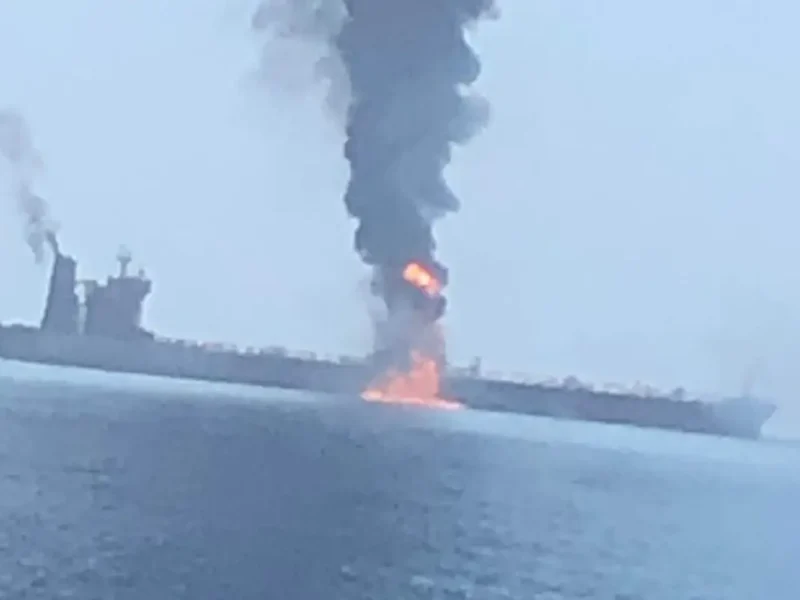
The broader conflict has already begun to rattle global markets, with oil prices surging above $110 a barrel and investors bracing for further disruption as the standoff deepens.
Complicating the situation are persistent questions in Washington over the intersection of policy decisions and financial markets. Critics have pointed to patterns in which major presidential statements appear to coincide with sharp market movements, raising concerns about potential profiteering within political and business circles, though no formal findings have been established.
Trump has also coupled his economic arguments with a sweeping critique of Iran’s leadership since the 1979 Islamic Revolution, saying decades of “extortion, corruption, and death” would come to an end. While such criticism of Tehran’s governance is widely shared across political lines, the humanitarian toll of the current conflict is becoming an increasing concern, particularly as civilian casualties mount and infrastructure damage expands.
The proposal to seize another country’s oil resources is likely to trigger significant legal and diplomatic pushback. Under international law, the appropriation of natural resources during conflict raises serious questions about sovereignty and the rules governing war.
Taken together, Trump’s remarks underscore a highly transactional approach to foreign policy, one in which military engagement is closely tied to economic outcomes. As the conflict shows no immediate sign of resolution, that approach is now colliding with legal constraints, global market anxieties, and growing unease among the American public over the potential human and geopolitical costs. (IANS with media inputs)