
Two Brothers Take On Cultural Appropriation In Spooky Horror Comedy ‘Namaslay’
By Fatema Baldiwala
LOS ANGELES, CA – There is something wonderfully clever about the title ‘Namaslay.’
It marries two words from two seemingly different worlds: Namaste, the traditional Indian greeting associated with respect, humility, and the recognition of another human being, and ‘slay,’ a contemporary expression that means to do something spectacularly well, look amazingly stylish, or exude unapologetic confidence.
Namaste meets slay.
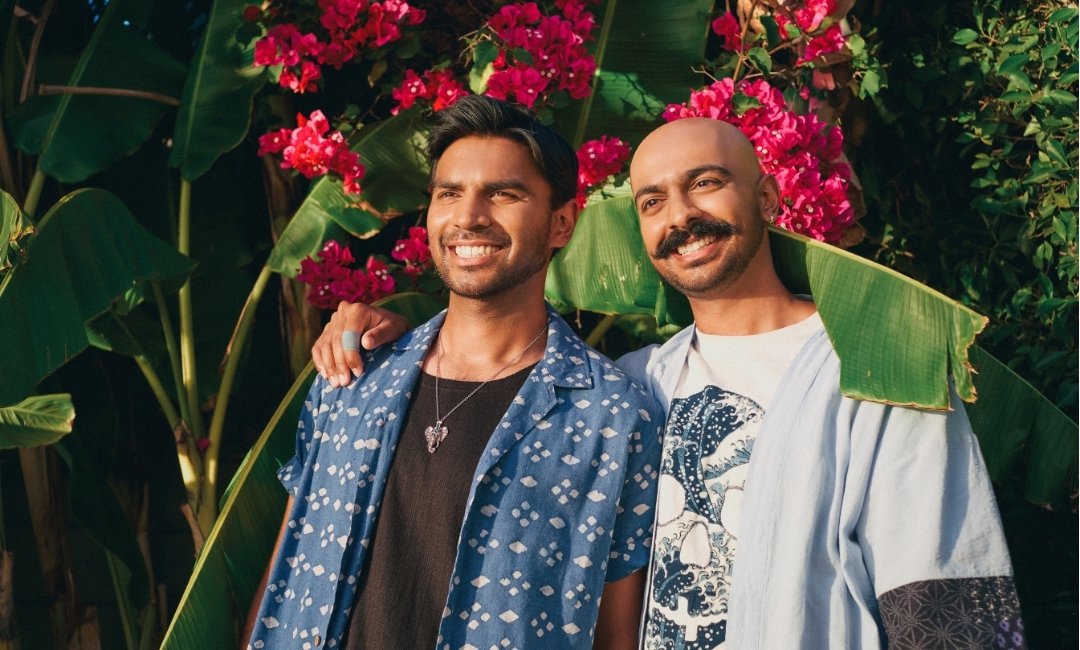
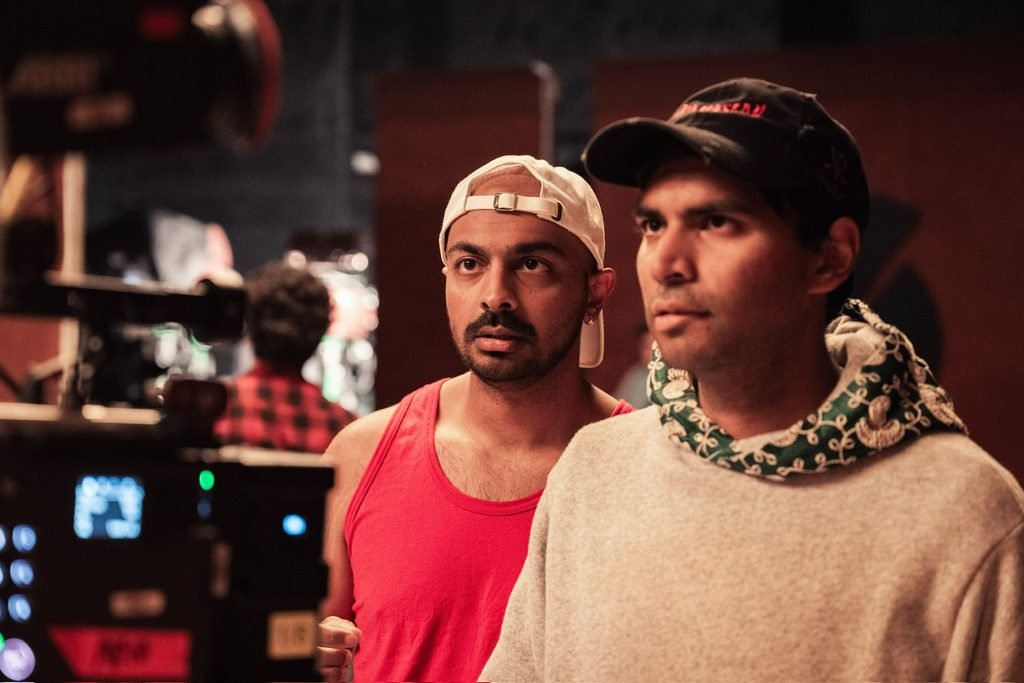
And somewhere in that collision of tradition and contemporary culture lives ‘Namaslay,’ the ambitious new film from brothers and first-time feature filmmakers Rish and Kanish Arhant-Sudhir.
But do not be fooled by the playful title. ‘Namaslay’ has something serious to say.
The 112-minute horror comedy follows Gayatri, a young Indian American woman navigating grief, identity and belonging after the death of her grandmother. When she enters the world of an upscale Los Angeles yoga studio, she encounters something increasingly familiar to many South Asians living in the West: a sacred cultural practice transformed into a highly marketable lifestyle product.
And that is where ‘Namaslay’ becomes more than a film about yoga.
It becomes a film about ownership, and about who owns culture and who gets to define it.
What happens when the people who inherited a tradition are told that they are doing it wrong?
The directors call it the ‘yoga industrial complex.’
It is a phrase that immediately captures the tension at the center of the film.
Yoga, of course, has become a multibillion-dollar industry in the West. There are expensive yoga pants, luxury retreats, boutique studios and carefully curated Instagram images of impossibly flexible bodies positioned against sunsets.
But somewhere along the way, something was lost.
For Gayatri, yoga is not simply exercise. It is memory. It is her grandmother, her culture, her philosophy and, perhaps most importantly, a lifelong practice.
In conversations about the film, Rish and Kanish Arhant-Sudhir explained that their understanding of yoga came directly from their family. Their mother practiced yoga at home for years, but when she was asked to teach in the West, she encountered resistance when she attempted to bring its spiritual and philosophical dimensions into the classroom.
The message, essentially, was: Enough talking. Just show us the poses.
Their father had a similarly revealing experience when he went to a yoga studio wearing basketball shorts and was told that he could not participate unless he purchased the ‘appropriate’ attire.
Those family experiences found their way into ‘Namaslay.’
And that is what gives the film its bite.

The filmmakers are not simply criticizing yoga studios. They are asking what happens when a culture is stripped of context, spirituality and history, and then sold back to the world at a premium.
The film takes an unexpected turn with the introduction of horror. At first, yoga and horror seem like an unlikely pairing. One is associated with peace, mindfulness and inner stillness, while the other thrives on fear and suspense. Yet ‘Namaslay’ brings these seemingly opposite worlds together.
The directors explain that horror is a storytelling tool.
Fear does not always come in the form of a monster jumping out from behind a door. Sometimes fear is physical; it is cultural; and sometimes it is the experience of being in a room where everyone else tells you that you do not belong.
There is a moment in the film when a character is physically pushed into a yoga position beyond her comfort. There is no demon in the room. No blood. No monster. But there is pain, and there is fear.
That is horror.
The directors use the mechanisms of the genre to help audiences understand the experiences of their characters. And when the film eventually moves into more traditional horror territory, the journey feels earned because the tension has already been building.
‘Namaslay’ is officially categorized as comedy and horror, but the filmmakers describe their approach through another word that will be immediately recognizable to Indian audiences: masala.
And that may be the best way to understand the film.
It is not one thing. It is many things: comedy, horror, satire, culture clash, spirituality, family, grief and the complicated search for belonging.
At the heart of ‘Namaslay’ is Gayatri’s search for a place in the world.
She is looking for community, for purpose, for a craft and a profession that she can claim as her own.
But she is also trying to understand where she belongs.
For many children of immigrants, that question is never simple.
They grow up navigating multiple worlds. They may speak one language at home and another outside. They may eat one kind of food at their parents’ table and something entirely different with their friends.
They learn to code-switch before they even know what code-switching means.
The directors themselves understand this experience.
Their mother is Tamil, their father is Malayali, and they grew up with exposure to multiple South Indian languages, cultures and film traditions. But they also grew up in the Bay Area, where their relationship with cinema was shaped by the distinctly Indian American experience of watching Hindi films in theaters filled with enthusiastic audiences, samosas, chai and intermissions.
That exuberance matters.
Cinema is not simply something people consume. Sometimes, it feels like something they participate in.
Perhaps that is why ‘Namaslay’ feels determined to reject the idea that a film must remain inside one neat genre.
Indian cinema never really believed in that anyway.
One of the most interesting ideas to emerge from the filmmakers’ approach is their rejection of the increasingly popular phrase ‘Pan-Indian.’
This distinction matters.
The film’s collaborators come from multiple countries and cultural backgrounds. Its visual-effects work included a significant team in India, including artists in Chennai. Its production team includes South Asians whose experiences are different from those of Indian Americans but who nevertheless recognize many of the same cultural moments, assumptions and microaggressions.
The story may begin with yoga, but the experience of cultural appropriation does not belong to one community alone.
Neither does the search for belonging.
That is what makes ‘Namaslay’ ambitious. It is specifically South Asian, but it is also asking questions that travel.
The title ‘Namaslay’ ultimately captures the spirit of the film.
It suggests that tradition and contemporary identity do not necessarily have to exist in opposition. People can evolve and challenge. They can create and walk into the world carrying both humility and confidence.



pemba
/
It is Rubbish, not worth wasting time and money.
September 9, 2026