US Farmers Benefit As Iran’s Pistachio Supply Disruptions Grow
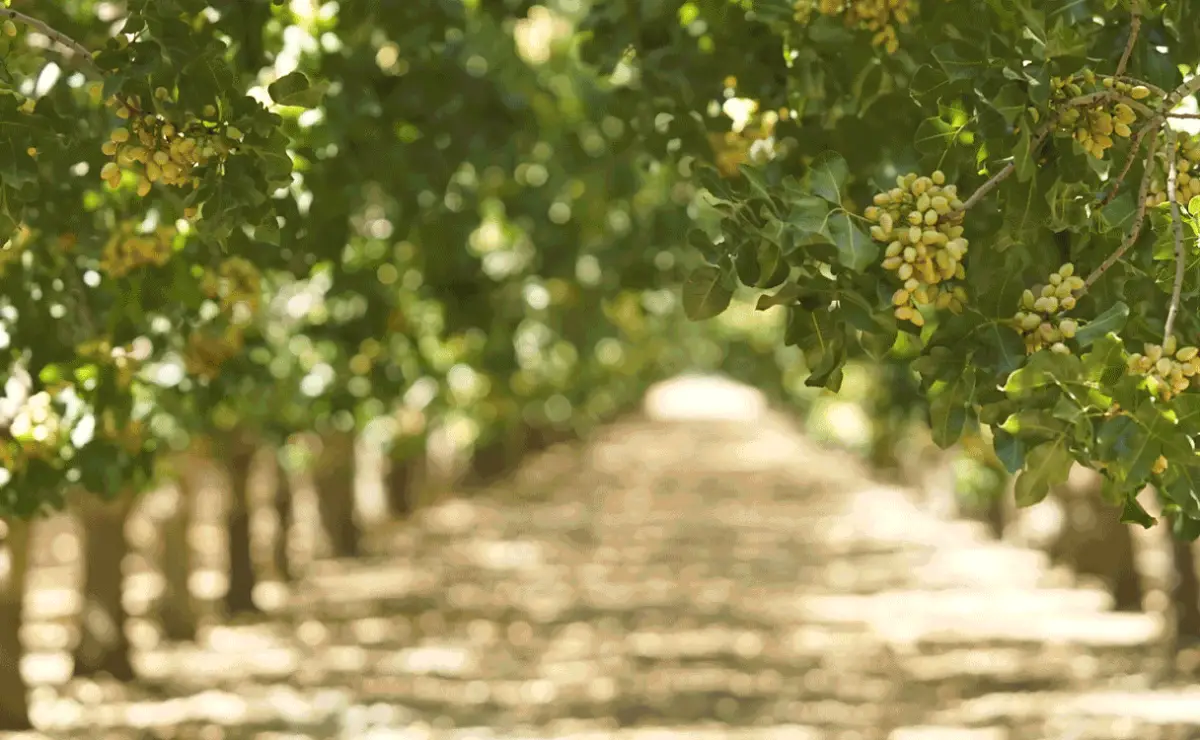
Photo: American Pistachio Growers
India-West News Desk
SACRAMENTO, CA – The global pistachio trade, long dominated by a handful of countries, is undergoing a dramatic shift as tensions surrounding Iran reshape supply chains and market dynamics. At the center of this transformation is a growing advantage for the United States, which is rapidly consolidating its position as the world’s leading pistachio producer.
Often referred to as “green gold,” pistachios are not an easily scalable crop. They require specific arid climates, making large-scale production possible in only a few regions worldwide. For decades, Iran stood at the heart of this industry, exporting premium varieties prized for their rich flavor and high oil content. Its pistachios were staples in global markets, from European confectionery to Asian snack aisles.
With the ongoing war affecting irrigation at home and shipping to facilitate exports, that dominance is now under strain.
The pistachio trade offers a clear example of how geopolitics can reshape even the most traditional industries.
Centered in California’s San Joaquin Valley, the American pistachio industry has evolved from a niche experiment into a global powerhouse over the past several decades. The transformation began in the early 20th century when pistachio seeds were introduced to California soil. In the 2025 to 2026 season, U.S. production reached record levels, positioning the country as the dominant supplier worldwide, Bloomberg News reported.
Trade policy has also played a role in shaping this shift. Longstanding tariffs on Iranian pistachios entering the United States have historically limited their competitiveness in one of the world’s largest consumer markets. Over time, this has allowed domestic producers to expand without significant foreign pressure, Bloomberg noted.
As Iran’s exports face mounting obstacles, American growers are experiencing a surge in demand. U.S. pistachio shipments are projected to rise sharply, with key markets in Europe and Asia increasingly turning to steady American suppliers.
What distinguishes the current moment is that buyers are no longer focused solely on flavor or price. Stability has become a critical factor.