Eye On Reducing Waste: New Food Label Law Goes Into Effect In California
Photo: Assemblymember Jacqui Irwin
India-West News Desk
SACRAMENTO, CA – For years, the confusing maze of more than 50 different date labels stamped on supermarket packaging has left shoppers playing a frustrating guessing game. Unsure whether a product is merely past its peak flavor or genuinely dangerous to consume, many consumers choose the safest bet and toss perfectly good items into the trash. California is tackling this confusion, and the massive environmental toll it takes, with a pioneering food labeling law that officially went into effect July 1.
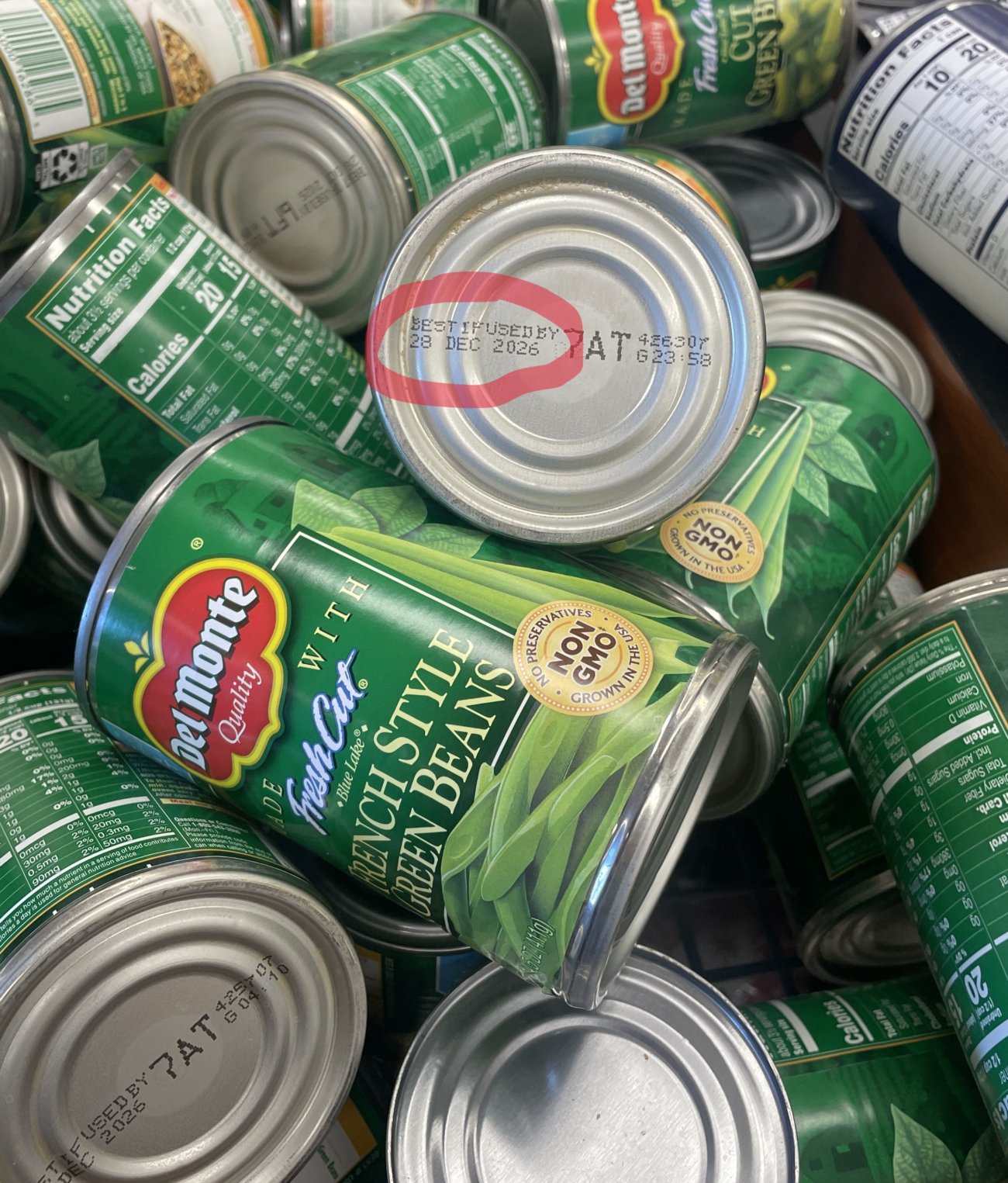
The new regulations ban the ubiquitous sell by labels, which experts note were only ever intended as an inventory guide for stock clerks rather than a metric for public health. Instead, food manufacturers selling in the Golden State must now transition to just two standardized phrases. A ‘Best if Used By’ label will dictate peak quality, while a ‘Use By’ label will clearly signal product safety.
“Using clear, consistent date labels will help reduce confusion about when food is safe to eat, cut down on unnecessary food waste, and make it easier for consumers to make informed decisions,” California state Assemblymember Jacqui Irwin (D), author of the new law, posted on social media.
This policy shift aims to put a major dent in the estimated 6 million tons of unexpired food thrown away in California each year. According to the California Department of Resources Recycling and Recovery, that amounts to roughly 2.5 billion meals worth of unspoiled food hitting the landfills annually, where organic waste makes up nearly half of the state’s garbage.
The Food and Drug Administration attributes nearly 20% of the nation’s total food waste to consumer confusion over unregulated date stamps, which, outside of infant formula, lack any federal oversight. Organizers at Californians Against Waste point to these labels as the leading cause of household food waste, noting that the old sell by dates even crippled food banks because donors and patrons assumed the items had expired.
“Consumers get confused and they just default to assuming that whatever date is on the package means ‘don’t eat it and throw it away,’” Kumar Chandran, policy director at ReFED, a nonprofit focused on reducing food waste, told the Associated Press.
By becoming the first state in the nation to standardize these phrases, California has sparked a broader legislative chain reaction. New York lawmakers recently passed a similar measure currently awaiting the governor’s signature, and similar bills have been floated in states like Illinois, Maryland, Massachusetts, New Jersey, and South Carolina. Chandran notes that this coastal momentum is accelerating the push for a singular national standard, especially with a bipartisan bill currently pending in Congress.
While the U.S. Department of Agriculture recommended a shift toward ‘Best if Used’ By labeling a decade ago, California’s mandatory approach finally codifies clarity for the consumer.