Alarm Bells Over China’s Influence At UN, As US Weakens Connections
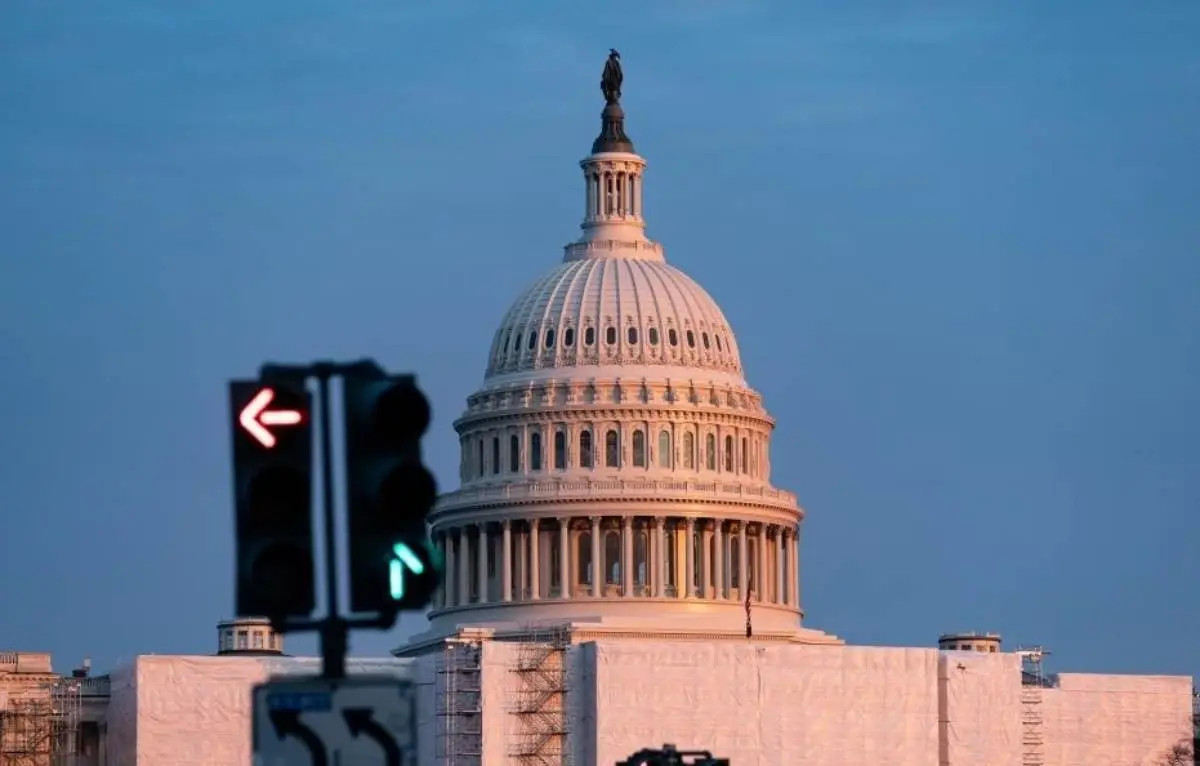
WASHINGTON, DC– China’s growing influence at the United Nations drew sharp warnings from US lawmakers on April 30, with members of Congress expressing concern that Beijing is expanding its reach across the global body while Washington debates reducing its own engagement.
Members of the House Foreign Affairs Subcommittee on Oversight and Intelligence said China is steadily increasing its presence through staffing, funding and diplomatic outreach, raising fears about its ability to shape decisions within the UN system.
Representative Jared Moskowitz, a Democratic member of the subcommittee, said US disengagement would only accelerate that trend. “Everywhere that the US wants to withdraw… China just comes in, with more dollars and more influence,” he said.
Lawmakers pointed to what they described as China’s long-term strategy of embedding personnel within UN agencies. Moskowitz said Beijing has placed “a couple thousand interns all over the organization,” many of whom later take up full-time roles, expanding its institutional influence.
He added that China’s global spending, particularly in developing regions, has translated into diplomatic leverage. “China controls more votes than we control now,” he said, referring to outreach in Africa, Latin America and other regions.
Republican and Democratic lawmakers agreed on the scale of the challenge but differed on how to respond. Some Republicans argued the United States should cut funding and participation in the UN unless reforms are implemented, while others said Washington should use its financial contributions more assertively to counter China’s influence.
Brett Schaefer, a senior fellow at the Heritage Foundation who testified as a witness, said the United States still holds significant leverage as the largest contributor to the UN system, but that influence is not always effectively used. “The key challenge is not a lack of US influence, but in its application,” he told lawmakers.
Eugene Kontorovich, a senior research fellow at the Heritage Foundation, cautioned that reducing US engagement could backfire, allowing China to expand its influence without resistance.
Peter Yeo, president of the Better World Campaign, said continued US involvement is essential to shaping outcomes at the UN. He said reforms are more likely if Washington remains engaged and meets its financial commitments.
China’s expanding role comes as global institutions face increasing geopolitical competition. Lawmakers said Beijing’s approach — combining financial support, staffing and diplomatic coordination — reflects a sustained effort to shape international norms.
The United Nations, established in 1945, now includes 193 member states and remains central to global diplomacy, peacekeeping and humanitarian operations. The United States has long been its largest financial contributor, while China has increased its role over the past two decades. (IANS)