India Crosses 50% Non-Fossil Capacity, Accelerates Clean Energy Push
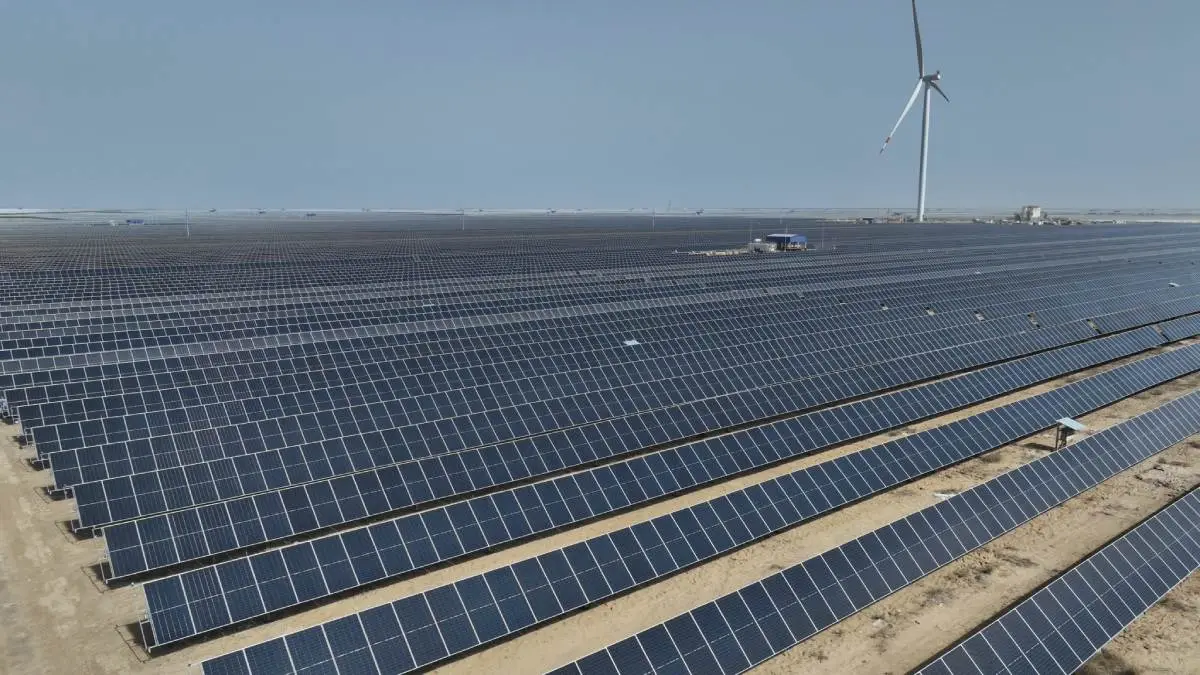
NEW DELHI – India has achieved a historic energy milestone, with non-fossil fuel sources now accounting for 51.93% of its total installed power capacity. By surpassing the 50% target ahead of schedule, the nation has signaled a decisive structural shift away from coal and imported oil toward a self-reliant, clean energy economy. The transformation has been remarkably swift, with renewable capacity more than tripling over the last decade to reach 253.96 GW by late 2025. In the current fiscal year alone, the country added 38.61 GW of capacity—an expansion led overwhelmingly by solar power, which contributed over 30 GW to the grid.
This acceleration is fueled by aggressive policy frameworks, including the PM Surya Ghar and Production-Linked Incentive (PLI) schemes, which have catalyzed domestic manufacturing and private investment. India now ranks fourth globally in total renewable capacity and is rapidly diversifying its green portfolio. The government is aggressively scaling the National Green Hydrogen Mission to produce 5 million tons annually by 2030, while simultaneously pushing a Nuclear Energy Mission to reach 100 GW by 2047. Furthermore, a ₹2,584 crore initiative is targeting untapped hydropower in regions like Ladakh and Jammu & Kashmir to ensure decentralized energy access.
The transition is as much about national security as it is about the environment. By reducing its reliance on volatile global oil and LNG markets—frequently disrupted by geopolitical tensions in corridors like the Strait of Hormuz—India is insulating its economy from inflationary shocks. To stabilize this new grid, the state is investing heavily in Battery Energy Storage Systems (BESS) and pumped hydro. With plans to reach 500 GW of renewable capacity by 2030, India has moved beyond being a participant in the green shift to becoming a global blueprint for sustainable industrial growth. (IANS)