Trump Restores H -2B Visas: His Businesses Depend On It
Photo: Wikipedia
India-West News Desk
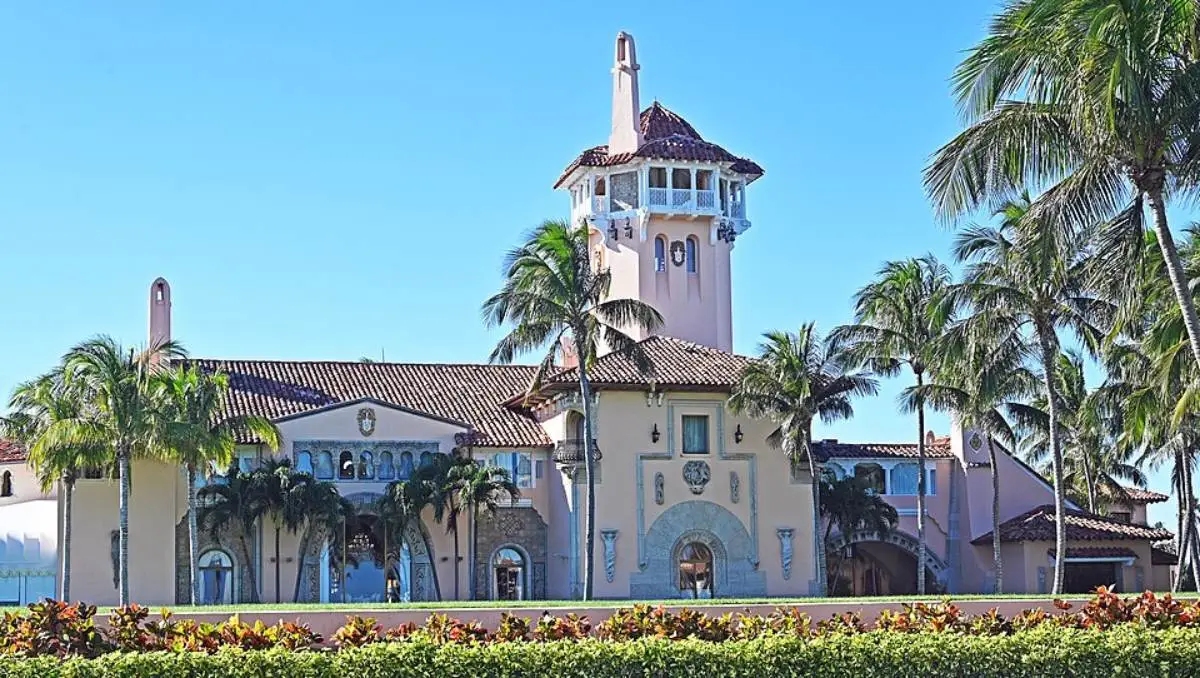
WASHINGTON, DC – President Donald Trump, whose businesses,including Mar-a-Lago have long relied on seasonal foreign labor, has moved to restore the H-2B visa quota, underscoring how his own use of the program contrasts with broader immigration crackdowns affecting other industries.
While sectors dependent on high-skilled H-1B visas continue to face tighter scrutiny and restrictions, a report by The Wall Street Journal shows that policy around the lower-wage, seasonal H-2B program has shifted in a different direction. According to The Wall Street Journal, the administration quietly reversed earlier plans to scale back H-2B visas after pressure from business figures tied to hospitality and tourism, industries where Trump himself has significant interests.
The Wall Street Journal reports that Trump intervened earlier this year to restore the full allocation of H-2B visas following a series of private appeals from associates connected to his resorts and golf properties. Those appeals highlighted an urgent labor shortage facing seasonal businesses heading into peak travel months, particularly in leisure destinations.
A pivotal moment came during conversations at Trump’s Florida golf clubs, where hospitality executives and longtime associates warned that hotels and resorts could not operate at full capacity without an adequate supply of temporary workers. According to The Wall Street Journal, those discussions played a key role in reshaping the administration’s approach, though they were not publicly disclosed at the time.
The shift marked a clear reversal. Just weeks earlier, officials had planned to release roughly 35,000 additional H-2B visas for fiscal year 2026, a sharp reduction from prior years. After the lobbying push, however, the administration approved the full 64,716 visas allowed under the cap, restoring numbers to previous levels.
The H-2B program permits U.S. employers in non-agricultural industries such as hospitality, landscaping, and seafood processing to hire temporary foreign workers when domestic labor is unavailable.
Trump-owned properties, including Mar-a-Lago, have regularly used the program for roles in housekeeping, food service, and maintenance.
The outcome highlights a broader contrast in U.S. immigration policy. While technology and other sectors reliant on H-1B visas continue to navigate tightening rules and uncertainty, industries tied to seasonal labor needs have seen more flexibility. The Wall Street Journal report suggests that this divergence reflects not only economic pressures but also the influence of business networks closely aligned with the president’s own commercial interests.
Administration officials have defended the decision, arguing that it balances the need to protect American workers with the realities of labor shortages.