India-US Deal On Critical Minerals Targets China’s Dominance
NEW DELHI – India and the United States on May 26 signed a strategic agreement to deepen cooperation in critical minerals and rare earths, key materials used in semiconductors, electric vehicles, solar panels and advanced defense technologies.
The agreement comes amid growing global concerns over China’s dominance in critical minerals and rare earth supply chains, giving Beijing significant leverage over industries central to global technology and manufacturing.
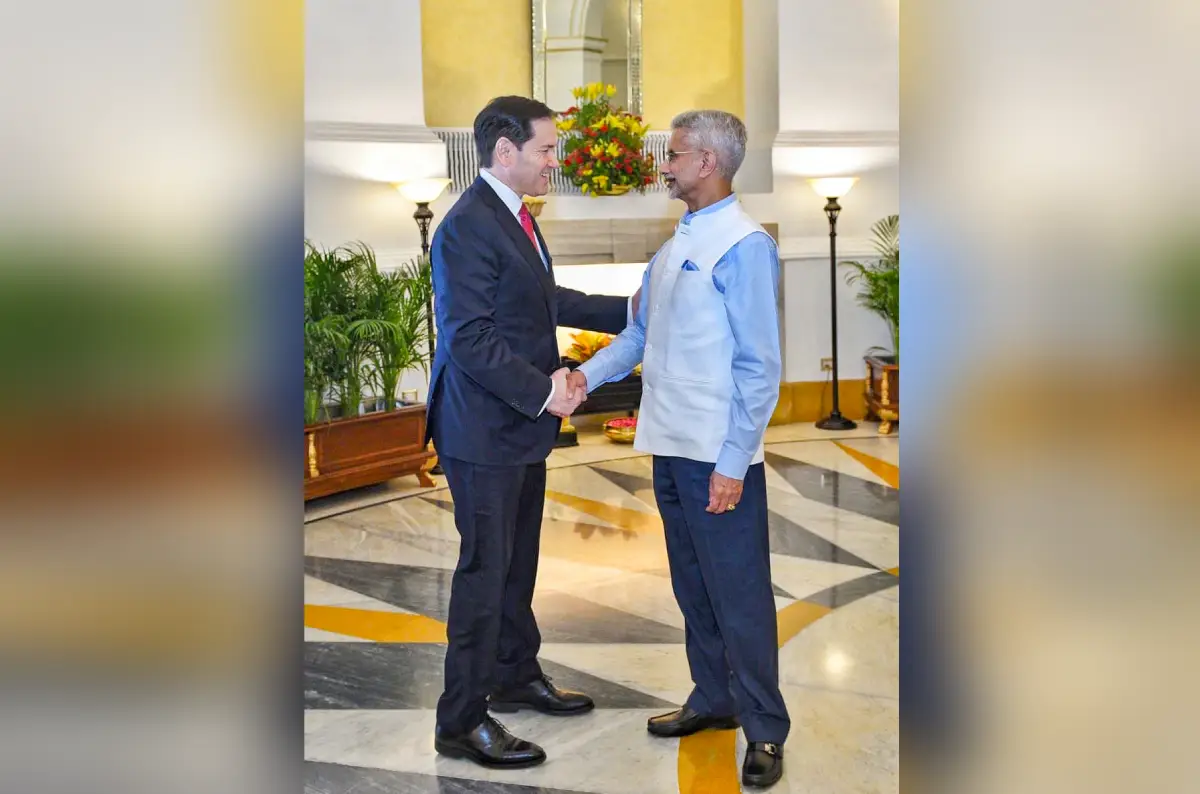
The pact was signed during the Quad Foreign Ministers’ meeting in New Delhi in the presence of India’s External Affairs Minister S. Jaishankar and US Secretary of State Marco Rubio.
“We are today signing a bilateral India-US framework on securing supplies of mining and processing of critical minerals and rare earths. This is something we have also discussed today at the Quad meeting, and it is something very timely and critical,” Jaishankar said.
He said the framework aims to deepen cooperation across the critical minerals and rare earth supply chain, including mining, processing, recycling and related investments.
Rubio said the agreement reflects the shared strategic interests of both countries in reducing dependence on a single dominant supplier.
“We have a strategic and shared interest in ensuring that the foundational materials of these industries are not vulnerable to single source monopolies,” Rubio said.
Calling the agreement a tangible example of growing India-US strategic ties, Rubio said both countries have a shared interest in ensuring reliable long-term access to critical minerals and supply chains vital for innovation-driven economies.
The agreement is expected to strengthen cooperation between Indian and American industries in clean energy, advanced manufacturing, electronics and defense, while helping diversify global supply chains away from excessive dependence on China. (IANS)
Get recent breaking news in India including politics, business, entertainment, sports, and major national developments followed by readers and Indian communities across Canada.