Bay Area Teen Develops App Connecting Homeless Youth To Support Services
India-West News Desk
Amid the Bay Area’s booming tech ecosystem, where innovation often translates into wealth creation, homelessness remains a persistent challenge, particularly among young people who have aged out of the foster care system or lost housing due to family instability.
Despite the presence of multiple support services, access is often fragmented, with no centralized system that helps users quickly determine eligibility and navigate transportation barriers to reach shelters and food banks that can be 30 to 45 minutes away.
To address this gap, Manan Dua, a rising senior at Monta Vista High School, developed FCHome, a free mobile application designed to centralize information on shelters, food banks and youth support services while also helping users physically access them through transit assistance, including free bus passes.
The app has since moved beyond its initial rollout and expanded into three states, serving about 750 users, with around 150 active users at any given time. A key feature has been its transit support function, through which more than 1,700 bus passes have been distributed to help unhoused and at-risk youth reach essential services.
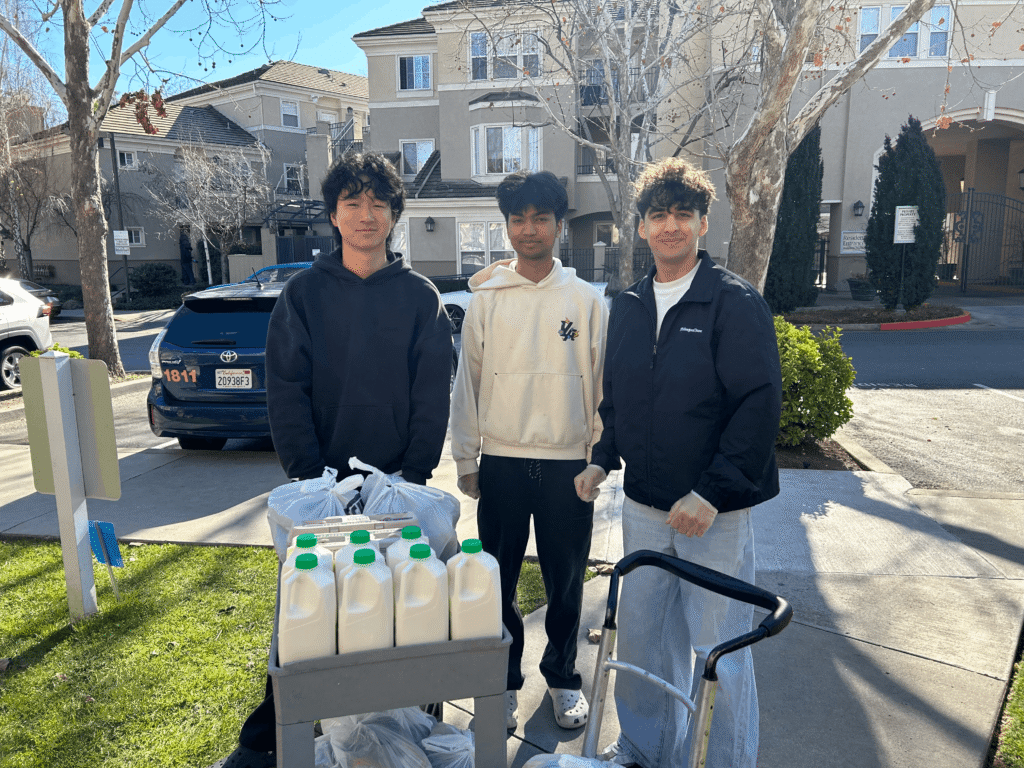
As part of its early outreach and adoption strategy, FCHome has been introduced through community initiatives in partnership with local organizations, including CityTeam San Jose at Ohlone Court Apartments, where food distributions were held alongside app awareness efforts. The initiative has also been supported through fundraising activities such as a walkathon for Bay Area nonprofits working on youth homelessness, raising more than $4,000 with contributions from individual and corporate sponsors.
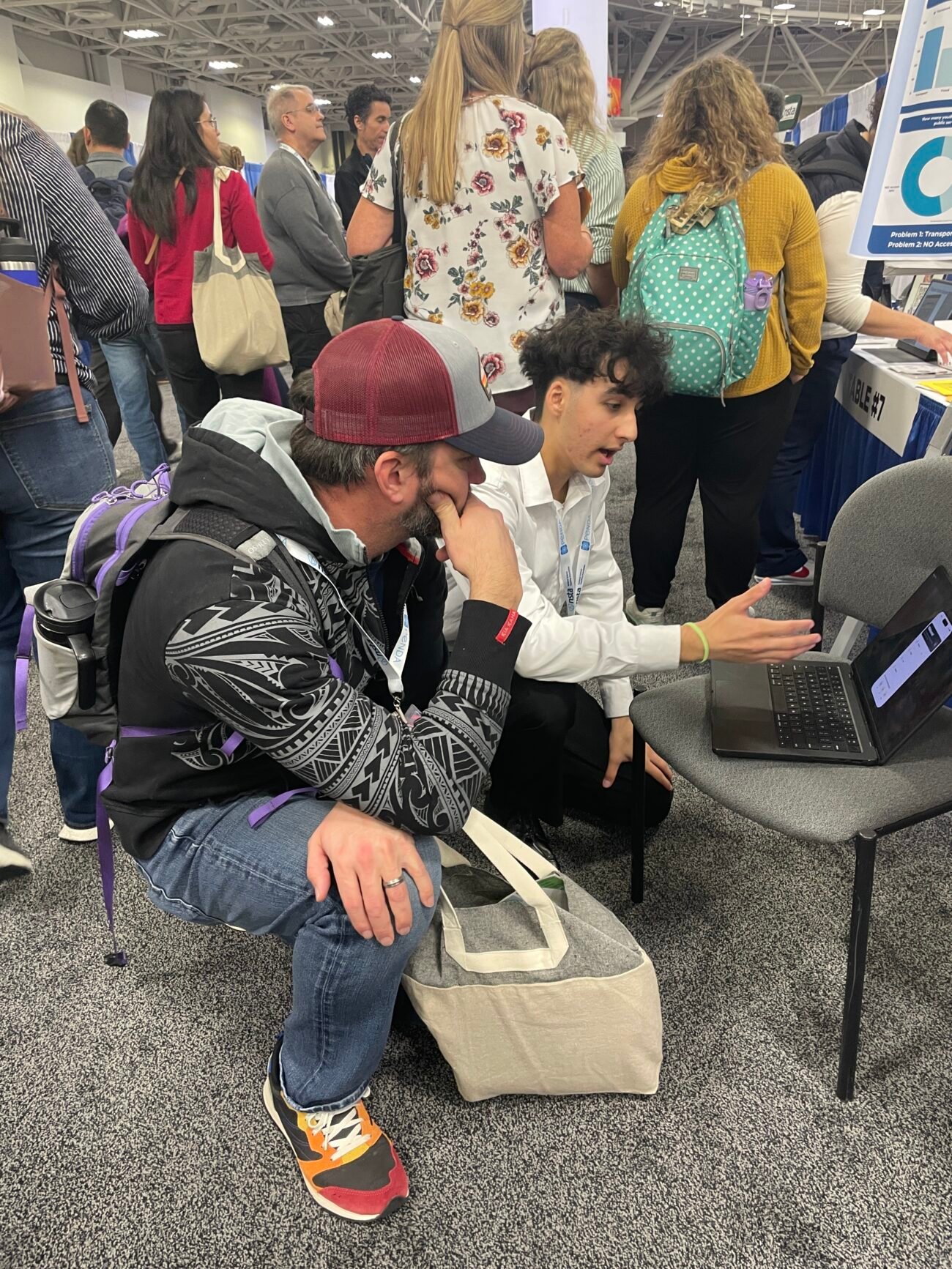
Dua also presented FCHome at the NSTA Conference in Minnesota, helping broaden its visibility among educators and social service professionals. The app later earned first place in California’s 18th District in the Congressional App Challenge.
Beyond service delivery, FCHome incorporates a broader preventive framework aimed at identifying early warning signs of housing instability and connecting individuals to resources before they become fully unhoused. The model behind the platform has been documented in academic research and presented to policymakers for potential wider application.