
‘Tariff King’ Label For India Misleading, Argues Newsweek Opinion Piece
India-West News Desk
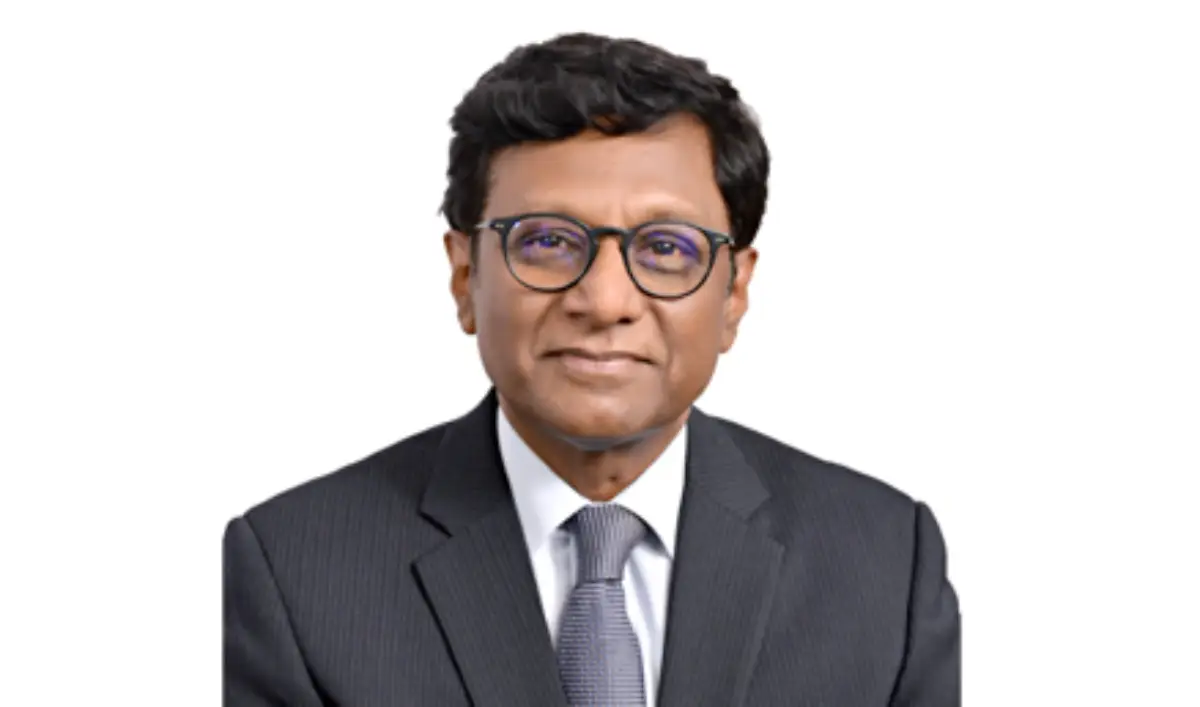
NEW YORK, NY – India often gets called the world’s “tariff king,” but a former Indian diplomat Mohan Kumar says that label is simply not true.
Writing in Newsweek in an opinion article titled “Is India a ‘Tariff King’? Not Really”, Kumar argues that critics are cherry-picking numbers and ignoring the reasons why India sets tariffs the way it does.
Kumar, who has served as India’s ambassador to France and other nations, explained that in developing countries like India, tariffs aren’t just about blocking imports. They serve two main purposes: protecting young or fragile industries and raising money for the government. “Protection of domestic industry is an accepted argument by economists worldwide,” he said, adding that duties on things like alcohol and luxury goods also help fill state coffers.
He pointed out, in the opinion piece published on August 31, that India did once have very high tariffs—back in the 1980s. But since sweeping economic reforms in 1991, the country has steadily cut rates. “The secular trend in India has been one of gradual reduction,” he said. In other words, India’s trade policy has become more open, not less.
So why does India still get slammed as a tariff outlier?
Kumar said it comes down to how the numbers are presented. The “simple average tariff” for India is about 16 percent, which sounds high. But that number gives the same weight to every product, whether it’s a minor import or a major one. The more realistic measure, he argued, is the “trade-weighted tariff”—the average rate on the goods people actually buy and sell. On that count, India’s tariff level is just 4.6 percent. “This level of tariff gives the lie to claims that India is somehow a tariff king,” he said.
The ambassador admitted that two sectors—agriculture and automobiles—do have higher tariffs. But he insisted there are good reasons for this. Nearly half of India’s population depends on farming, most of it done on tiny plots with little mechanization. “Asking India to open its farm sector to imports is akin to asking it to commit suicide,” he said, noting that Western farmers enjoy heavy subsidies that Indian farmers could never compete with.
Even then, Kumar argued, India’s farm tariffs aren’t extreme compared to others. He pointed out that the European Union slaps duties of up to 205 percent on some dairy products, Japan charges nearly 300 percent on cereals, and South Korea has rates as high as 800 percent on vegetables. “Who is the tariff king in agriculture, you might ask?” he wrote.
As for autos, he said tariffs help protect a sector that supports mass employment. And outside these two areas, India’s levels look similar to other developing economies such as Bangladesh, Argentina, and Türkiye.
Kumar also pushed back on U.S. complaints that its exports face steep barriers in India. In many cases, he said, American products actually face lower tariffs in India than in neighboring markets. He noted that India has zero tariffs on most IT hardware and semiconductors, and relatively modest rates on electronics. By contrast, Vietnam, China, and Indonesia all apply higher duties.
His bottom line: India’s tariffs are not out of line with global norms, and calling the country a “tariff king” is more myth than reality. “The data simply does not support the claim,” he said.

Natarajan Sivsubramanian
/
I disagree with his views on matters pertaining to western farmers are receiving subsidies from govt
India govt is not giving any kind of financial help or subsidies to farmers. Farmers are not able to repay borrowed loans to public sector banks and
September 3, 2025Federal govt flatly refused to waive their loans
And made them suffer with their children and
It caused suicidal deaths of several farmers
Whereas politicians are granting huge amounts of loans running to several thousands of crores of rupees from tax payers moneys in the bank without
Any collateral securities and such loans are
Becoming non performing assets called NPAs
All sanctioned loans are “commissionable”
starting from minister party men chairman c e o
Of the bank executive director middle level manager
Same way income tax dues from high net worth individuals HNI are being written off
All borrowed loans of such HNI are written off
They unnecessarily collect g s t taxes from every body
Including saving bank account holders running to
Several thousands of crores
In order to make up losses arising out of
NPAs and income tax waiver they have to resort
To high taxes and tariff from imports
No other country in the world has a system of
Loan sanction which ultimately become NPA
For this purpose govt is not privatizing banks
They use banks for vote banks to be in power
It is crony capitalism name sake biggest
Democracy but it is autocracy worse then
North Korea
pemba
/
Indians’ mentality is mine is mine, yours is our.
September 3, 2025